Lilac Kittens for Sale in Singapore
Meet our available Lilac kittens, compare real Lilac and White graduates, and learn what gives this soft taupe-grey colour its distinctive look.
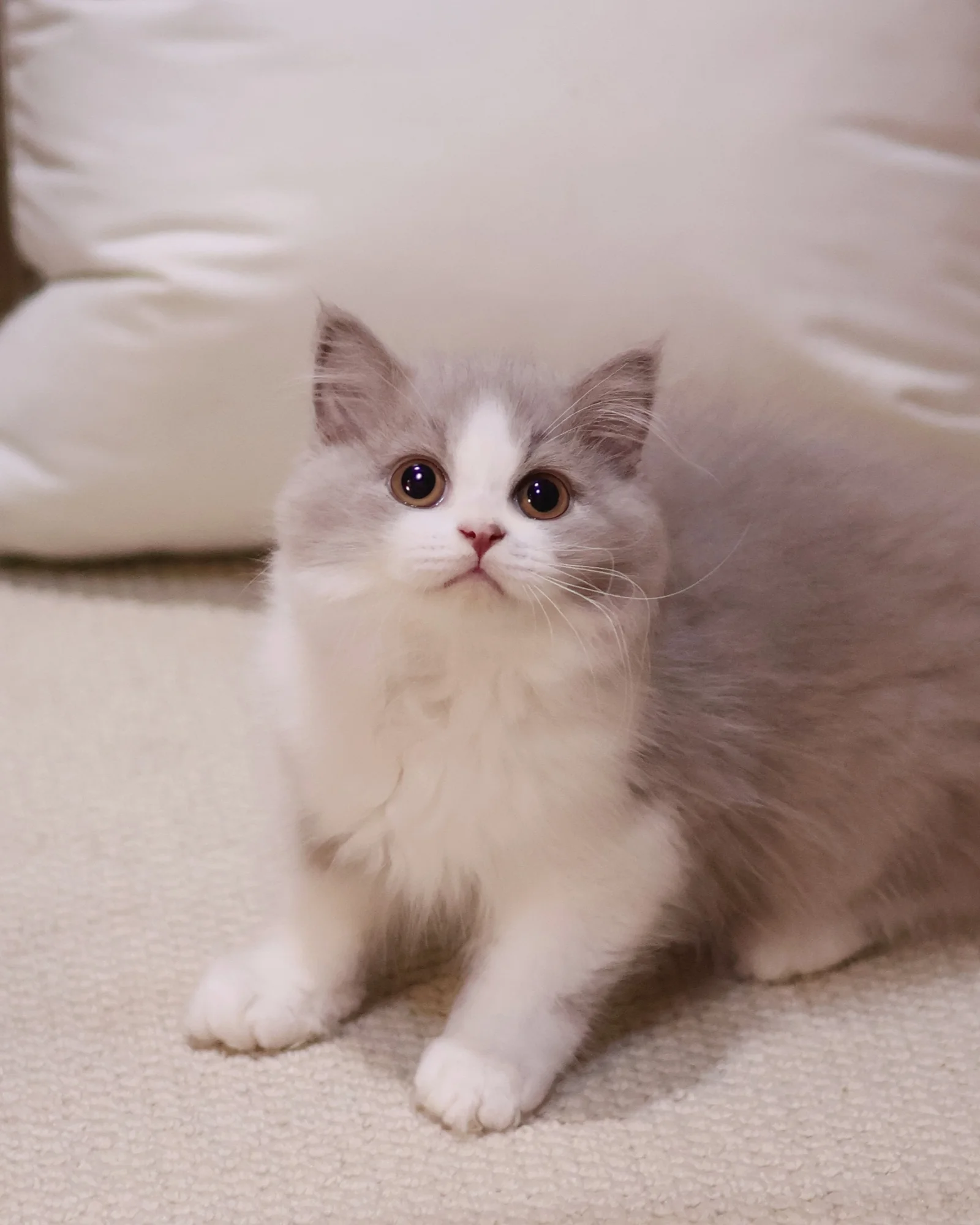
Meet Our Current Lilac Kittens
See real photos, breed, colour, sex and latest status. If no current card appears, message us about the colour and breed you prefer.
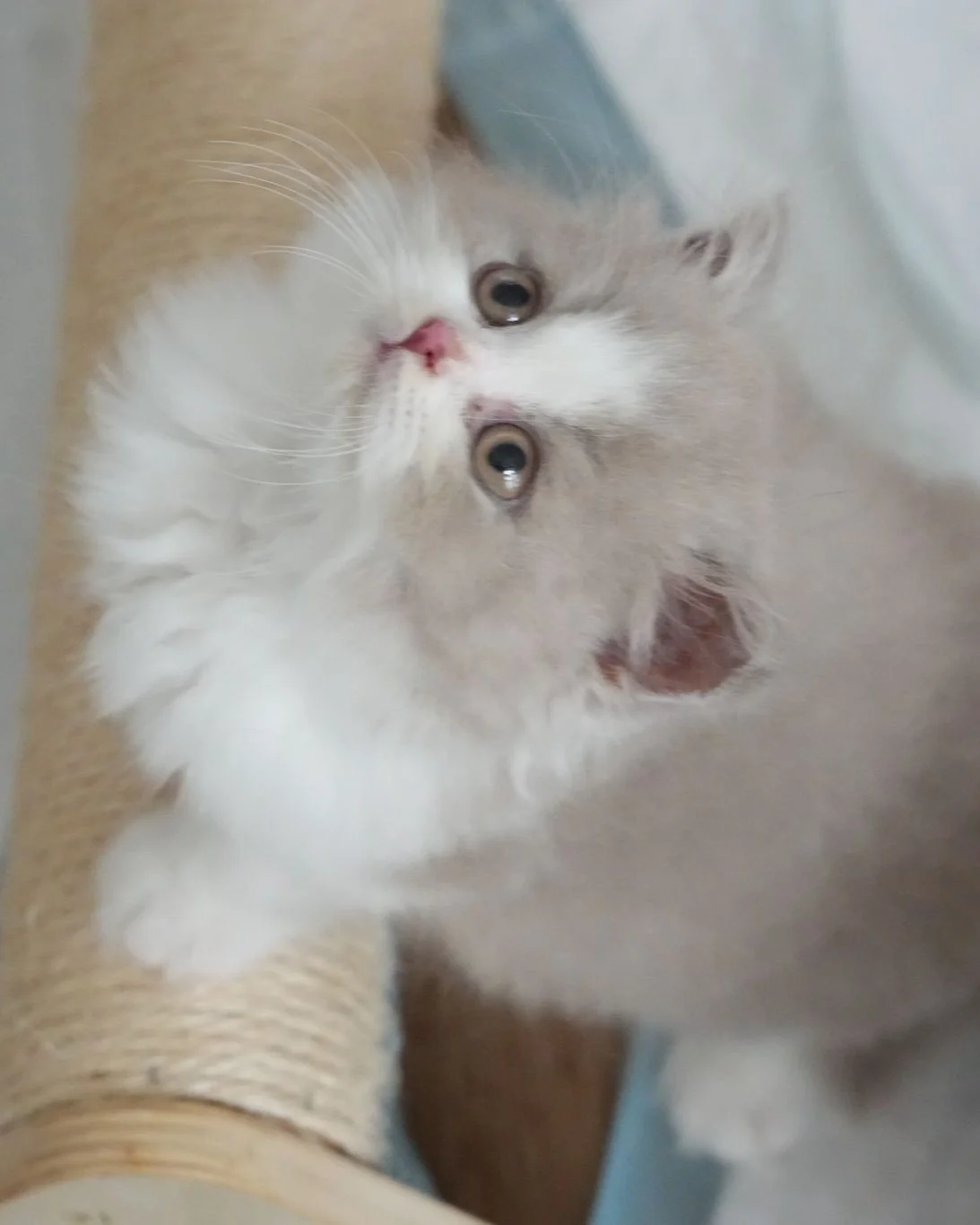
Choosing a Lilac Kitten in Singapore
Lilac Kittens for Sale in Singapore: What the Colour Really Looks Like
Despite its name, lilac appears as a pale frosty grey, taupe or pinkish-lavender coat. In formal colour descriptions, lilac is a very pale brown-family colour with a frosty grey, taupe or pinkish-lavender cast. In our collection, this page currently covers Lilac and White kittens, shown on their profiles as Lilac and White.
The colour is subtle, so lighting and coat length can change its appearance dramatically in photos. This page uses real Lilac and White British kittens from us to show what buyers should compare: the warmth of the lilac areas, the amount of white, the difference between short and long coats and the kitten’s present availability.
What Lilac and White Means on a Kitten Listing
Lilac describes the coloured areas; white describes the unpigmented areas. White may appear on the face, muzzle, chest, belly, paws or larger parts of the body. The distribution is individual. A kitten with a broad white face and chest can look much paler than one with more lilac across the head and back, even when both carry the same colour label.
Registry descriptions commonly characterise lilac as frosty grey with a pinkish tinge and lavender-pink nose leather or paw pads where the colour is present. On a Lilac and White kitten, some nose leather and pads may simply be pink because those areas fall within white markings. Compare the coloured ears, crown, back and tail as well as the nose.
Lilac and White Across Different Coat Lengths
The current and graduate cards let you compare Lilac and White on British Longhair and British Shorthair coats without tying the guidance to one kitten.
British Longhair: the longer coat catches light through several layers, softening the boundary between lilac and white. The fuller tail, cheeks and ruff can make the colour appear more airy.
British Shorthair: the dense short coat gives lilac areas a compact, even finish and makes the division between lilac and white easier to see.
Use these coat-length differences to describe your preference, then check the current cards for matching kittens and their latest status.
Lilac vs Blue, Cream and Chocolate
Lilac vs Blue: blue is cooler and more slate-grey. Lilac is usually paler and warmer, with a taupe or pinkish cast.
Lilac vs Cream: cream belongs to the diluted red family and looks buff, peach or light warm cream. Lilac remains grey-brown rather than yellow or peach.
Lilac vs Chocolate: chocolate is a fuller, deeper warm brown. Lilac is the dilute version and appears much lighter and frostier.
Warm indoor bulbs can make lilac look cream or beige. Cool daylight can make it look blue-grey. Use genuinely white fur as the reference on a Lilac and White kitten: if the white looks yellow or blue, the photo’s colour balance is influencing the whole coat.
How a Lilac Kitten’s Coat Develops
A British kitten’s baby coat becomes denser and more structured with age. The underlying lilac colour remains in the same family, but the visual shade may look clearer, slightly deeper or more even. The white distribution remains a defining part of the pattern. On a British Longhair, the expanding ruff, tail and body coat soften the coloured edges; on a British Shorthair, the maturing plush coat gives the lilac areas more visual density.
Recent photos taken in similar lighting are the best way to track that change. The current and graduate cards show real shorthaired and longhaired presentations, while every kitten will develop individually.
What to Check When Shortlisting a Lilac Kitten
Confirm Lilac and White: use the recorded listing colour rather than judging a pale photo alone.
Compare the lilac areas: look at the ears, crown, back and tail for the taupe-grey or pinkish cast.
Assess the white pattern: decide how much white you prefer on the face, chest, legs and body.
Choose coat length: longhair gives a softer blended effect and needs more brushing; shorthair looks denser and more defined.
Use several recent images: compare photos with the white fur as a colour-balance reference.
Meet the kitten: confirm the colour in ordinary light, then evaluate the individual kitten’s confidence and interaction style.
Current Lilac Kitten Availability
The kitten cards at the top of the page show our latest matching Lilac and White kittens. Open each profile for the current status, or contact us if no matching card is shown and you would like help finding a particular coat length.
View a Lilac Kitten with you
You can meet an available Lilac kitten in a private interaction room at 599 Geylang Road. During the viewing, compare the coat under neutral light, inspect the lilac areas beside the white markings and feel the coat texture. We can confirm the colour shown on the kitten’s profile, show the newest photographs and discuss how the short or long British coat is developing.
Lilac Kittens That Have Found Homes Through NekoTown
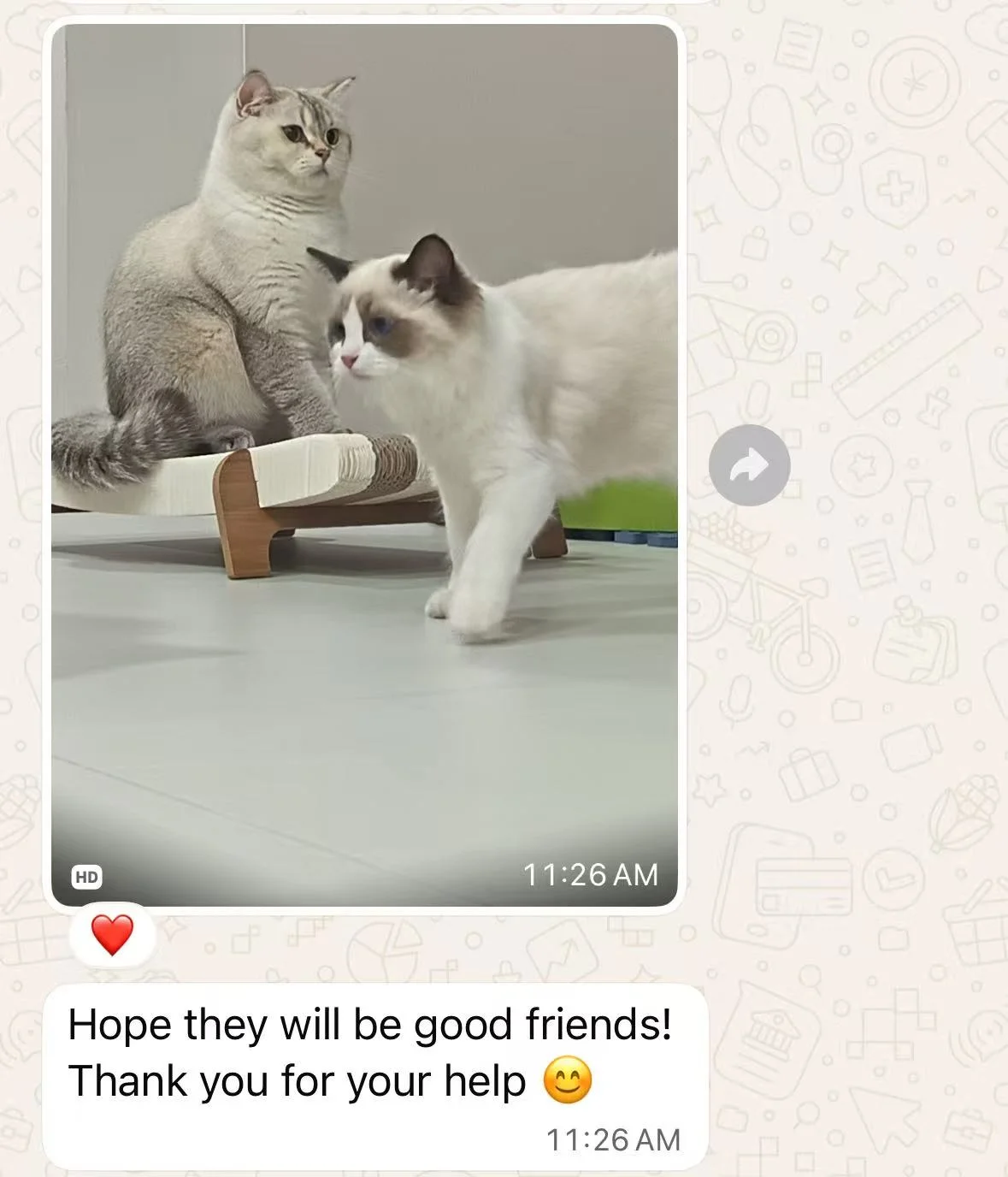
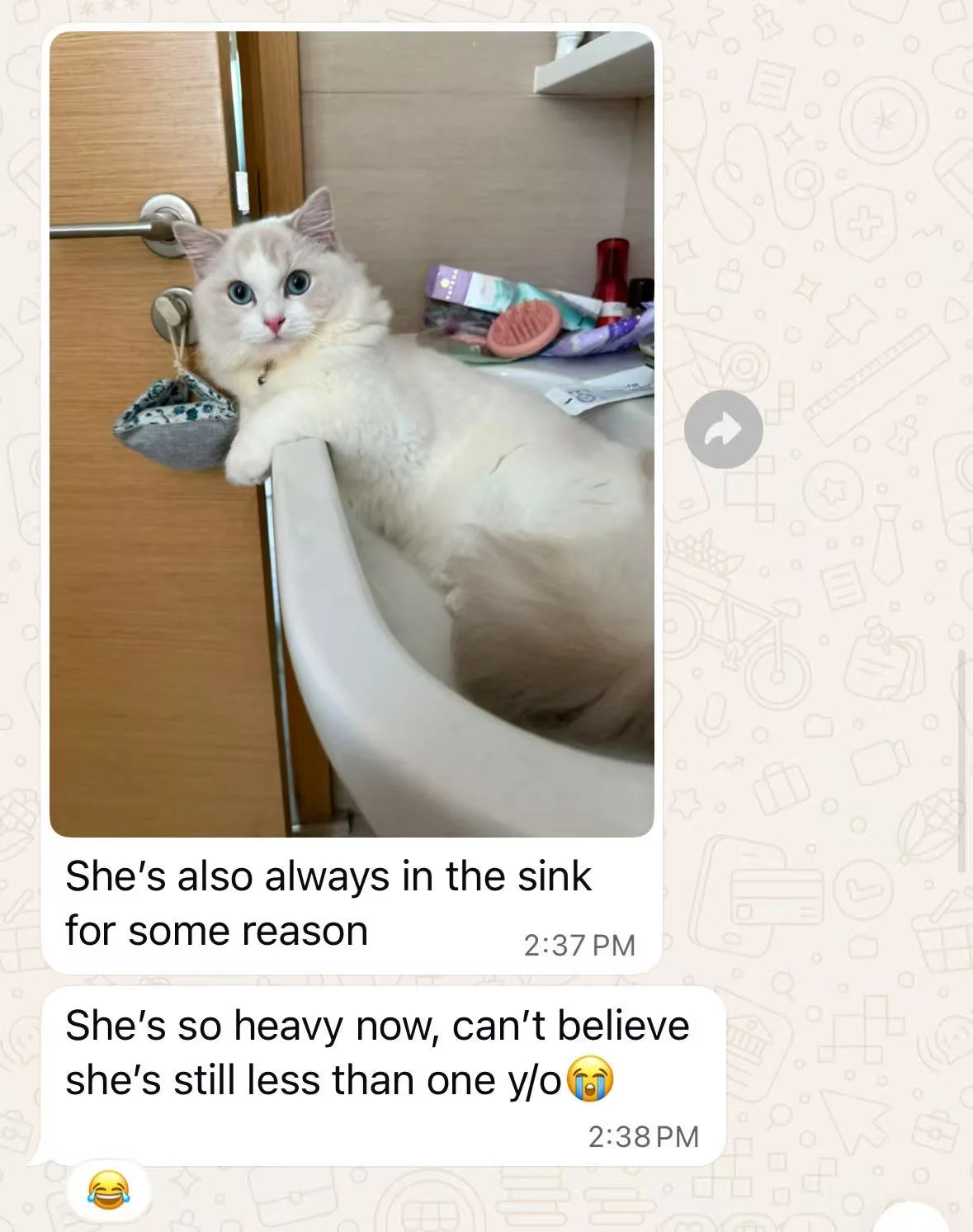
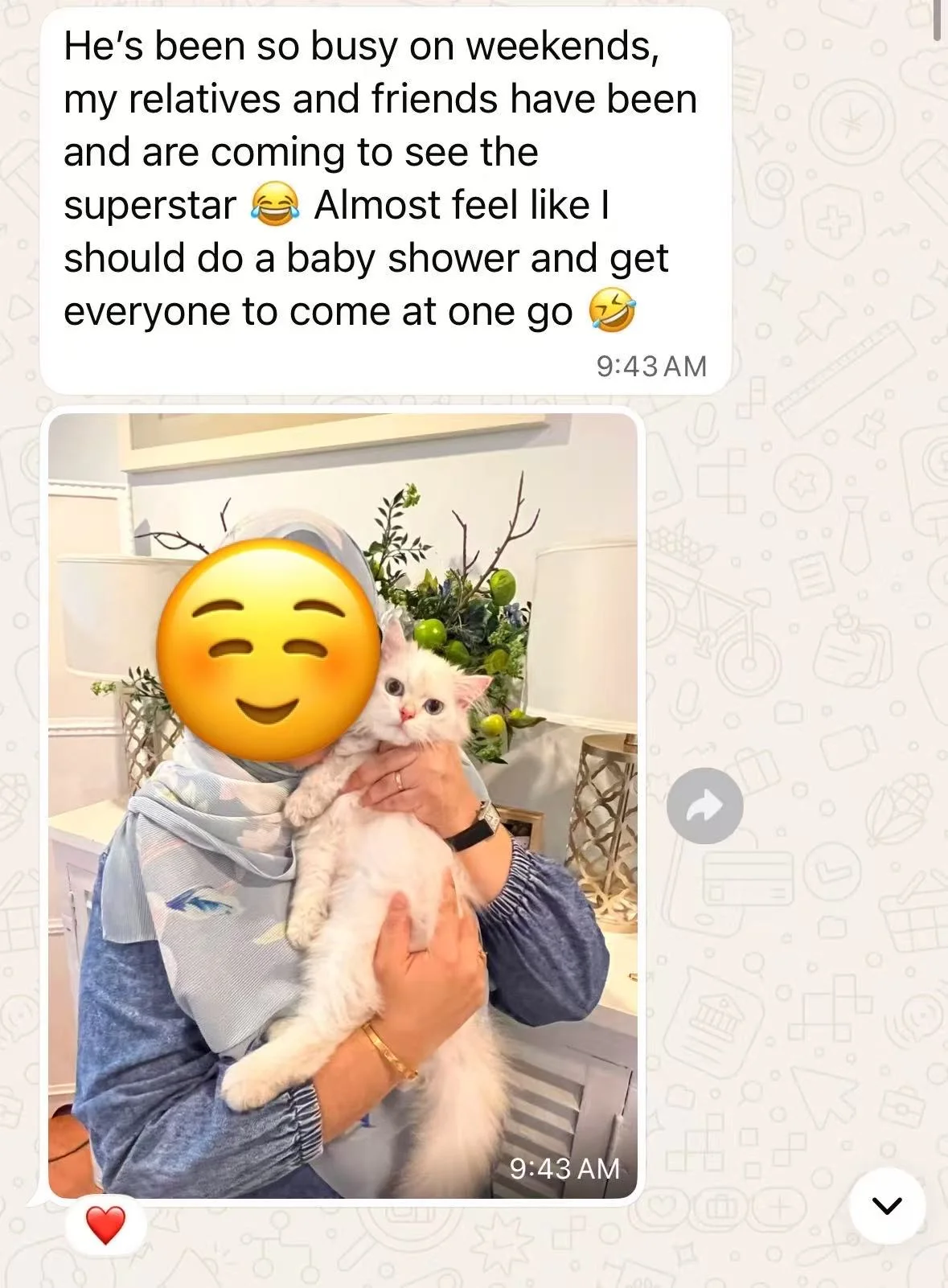
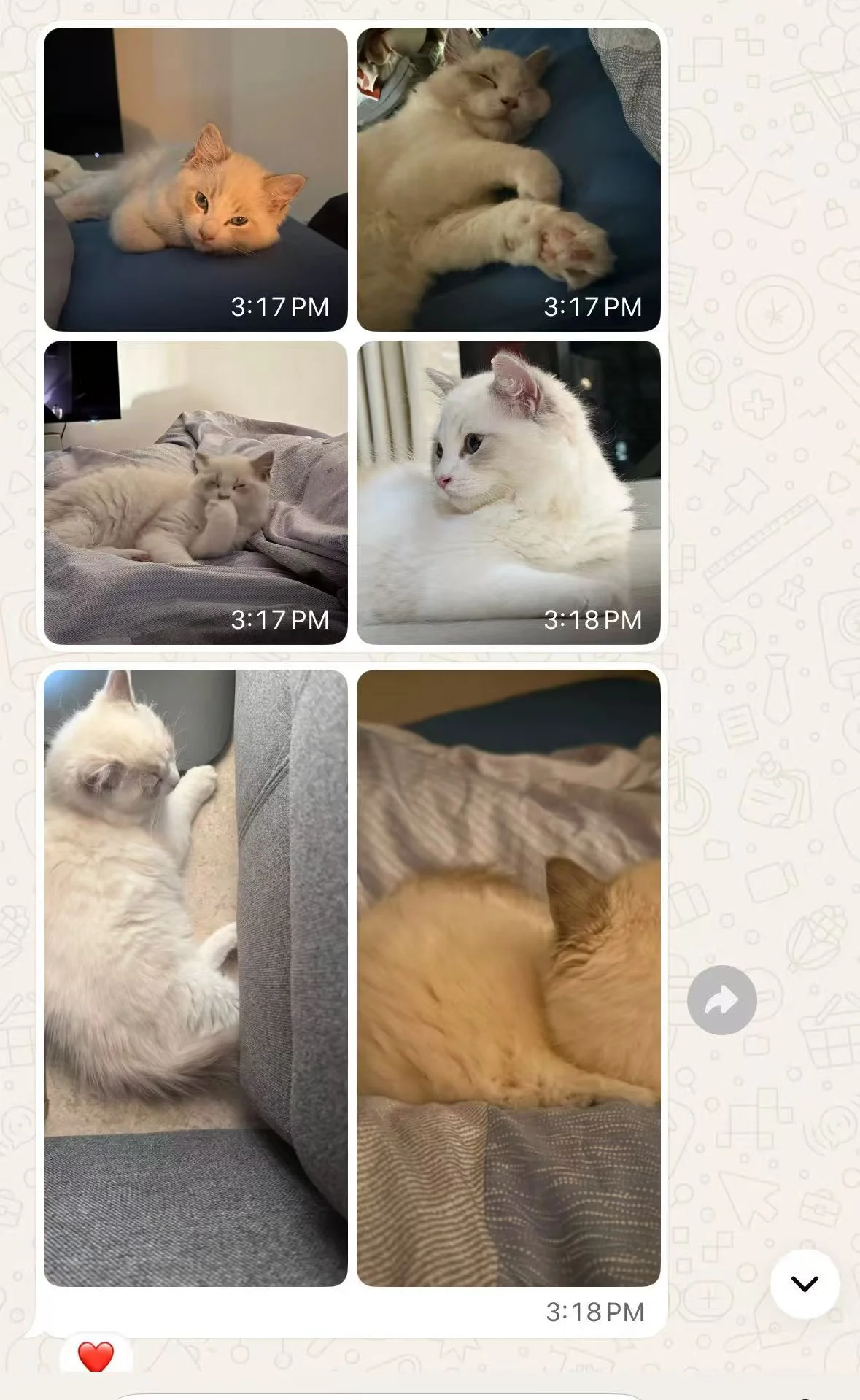
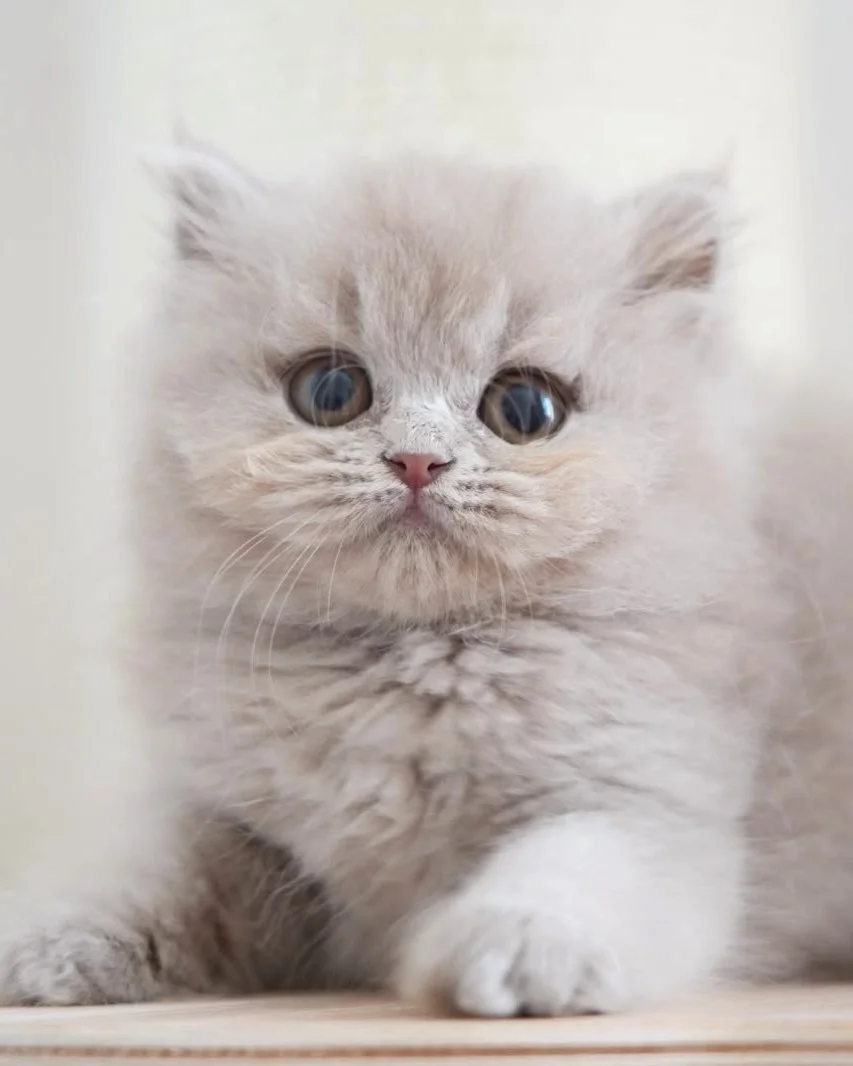
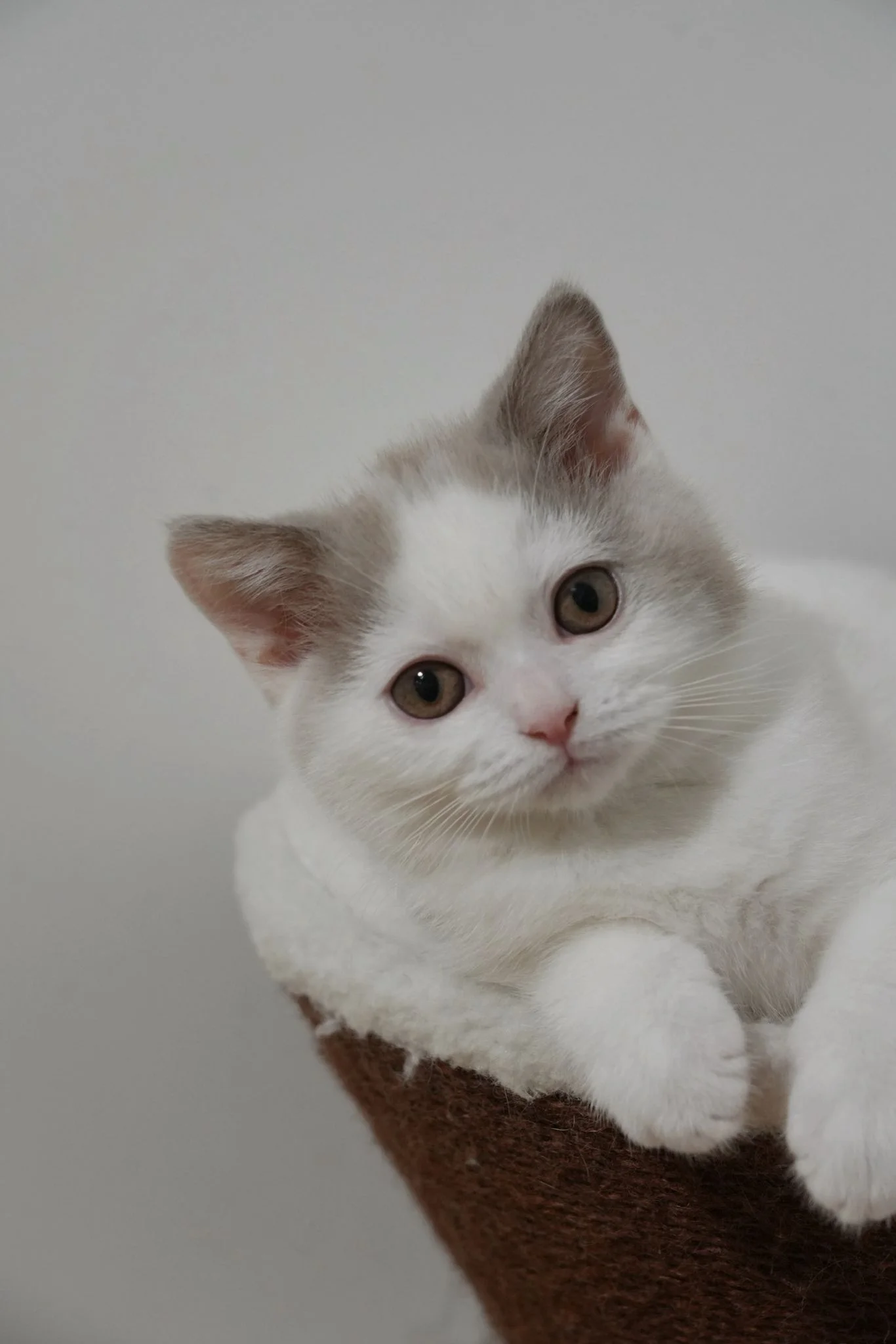
These kittens have already joined their families. Their real photos show how soft lilac and white coats can look across British Shorthair and British Longhair kittens.
Lilac Kittens FAQ
Answers to the questions buyers often ask when comparing Lilac kittens in Singapore.