How NekoTown Selects Breeders and Kittens
Learn how NekoTown reviews registered breeders, parent-cat records, kitten development, health documents, temperament and family suitability before recommending a kitten.
Choosing a kitten should involve more than selecting a breed, colour or photograph. At NekoTown, we first review the breeder, breeding programme, parent cats and living environment. We then follow each candidate kitten’s development, review its health and registration records, observe its temperament and decide whether the kitten is suitable for a real family home.
Not every kitten offered by a partner breeder is accepted or recommended by NekoTown. Our selection process has two stages: first, selecting breeders whose practices meet our requirements; second, selecting individual kittens from approved litters based on traceability, health, development, temperament and family suitability.
Families can browse current kittens on our available kittens in Singapore page, and compare breed-specific pages such as British Shorthair kittens, British Longhair kittens, Ragdoll kittens and Munchkin kittens. This page explains the selection standard behind those listings.
Our Selection Process at a Glance
Before recommending a kitten, NekoTown reviews the breeder and registered cattery, association or registry records, the sire and dam, parent pedigrees, microchip identities, breed-relevant health records, the cats’ actual living environment, the current litter, the individual kitten’s growth, vaccination, veterinary and registration status, previous owner feedback where available, and the kitten’s suitability for the prospective home.
Specific evidence is published on the relevant breeder, parent and kitten profile whenever it can be disclosed responsibly. Private names, addresses, contact details and sensitive documents are not published without permission.
How NekoTown Selects Breeder Partners
Verifiable Breeder and Cattery Registration
A NekoTown partner breeder must have a verifiable identity and a registered cattery relationship with at least one recognised registry, association or relevant national member organisation. These may include The International Cat Association (TICA), The Cat Fanciers’ Association (CFA), Fédération Internationale Féline (FIFe), The Governing Council of the Cat Fancy (GCCF), or another established registry recognised in the breeder’s country or region.
We do not require a breeder to be registered with every major association. Registration systems vary by country, breed and organisation. Instead, we require a verifiable registration relationship and records that connect the breeder, registered cattery, sire, dam, litter and individual kitten.
Association registration is an important source of identity and pedigree information, but it does not automatically prove that every aspect of a breeder’s environment or conduct meets NekoTown’s standards. NekoTown therefore conducts its own breeder, litter and kitten review.
Transparent Breeder Communication
We select breeders who are prepared to provide complete, consistent and current information. This may include cattery registration records, sire and dam identification, parent pedigrees and health records, relevant illnesses or treatments, current kitten videos, development updates, veterinary records where medical concerns arise, and authorised feedback from previous kitten owners.
A breeder who withholds material information, repeatedly provides inconsistent records or refuses reasonable verification will not remain eligible for NekoTown recommendations.
Previous Kitten Feedback After Placement
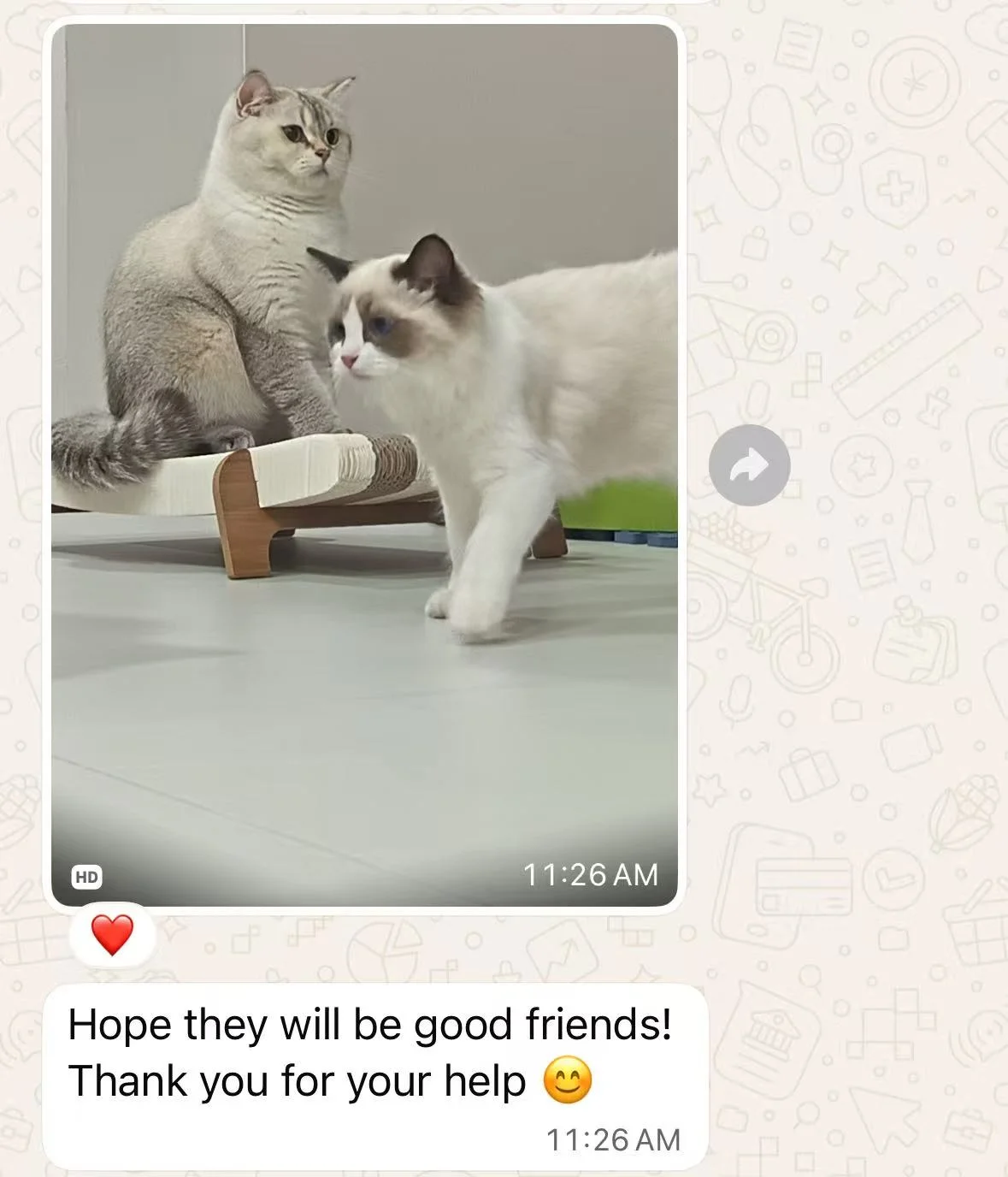
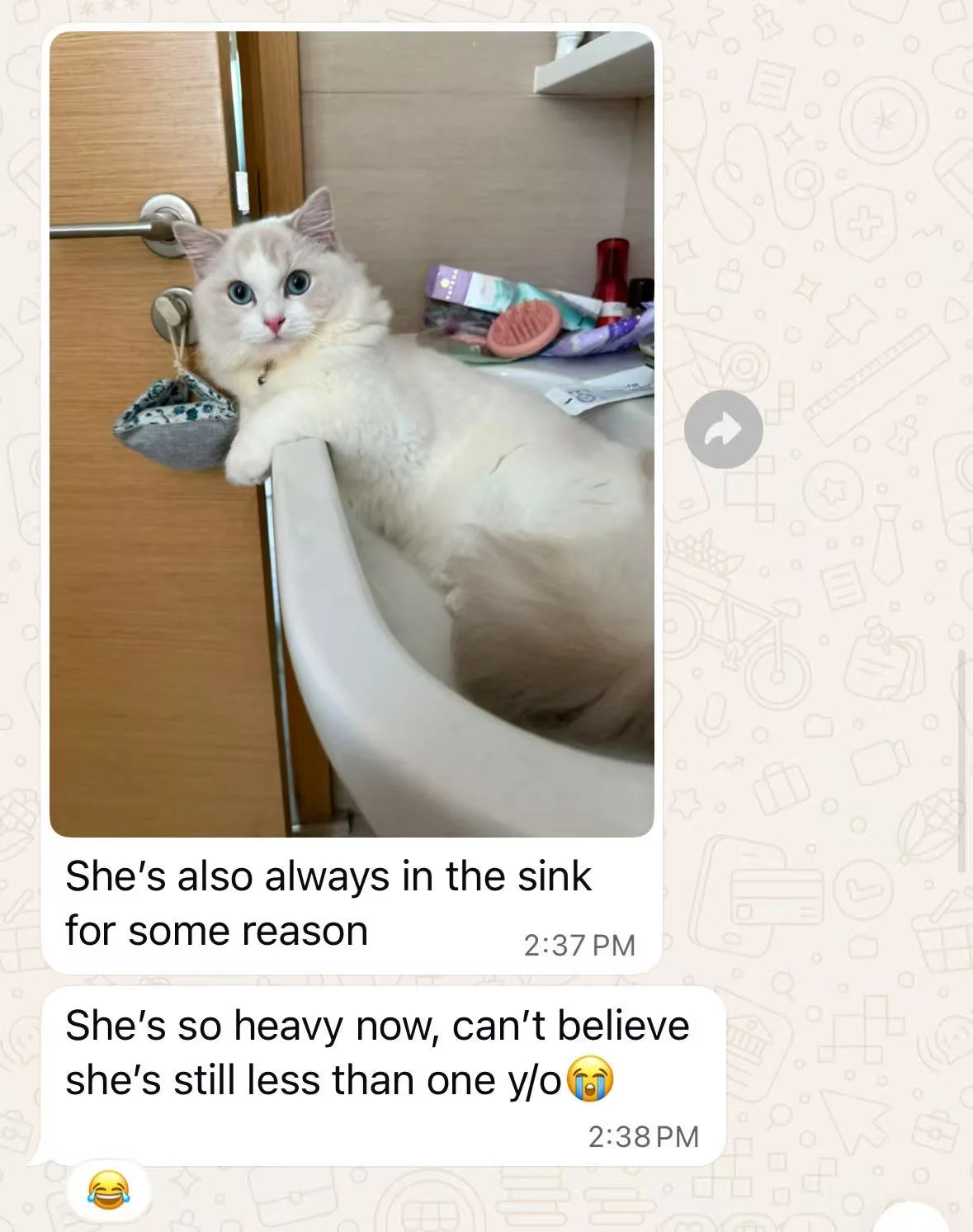
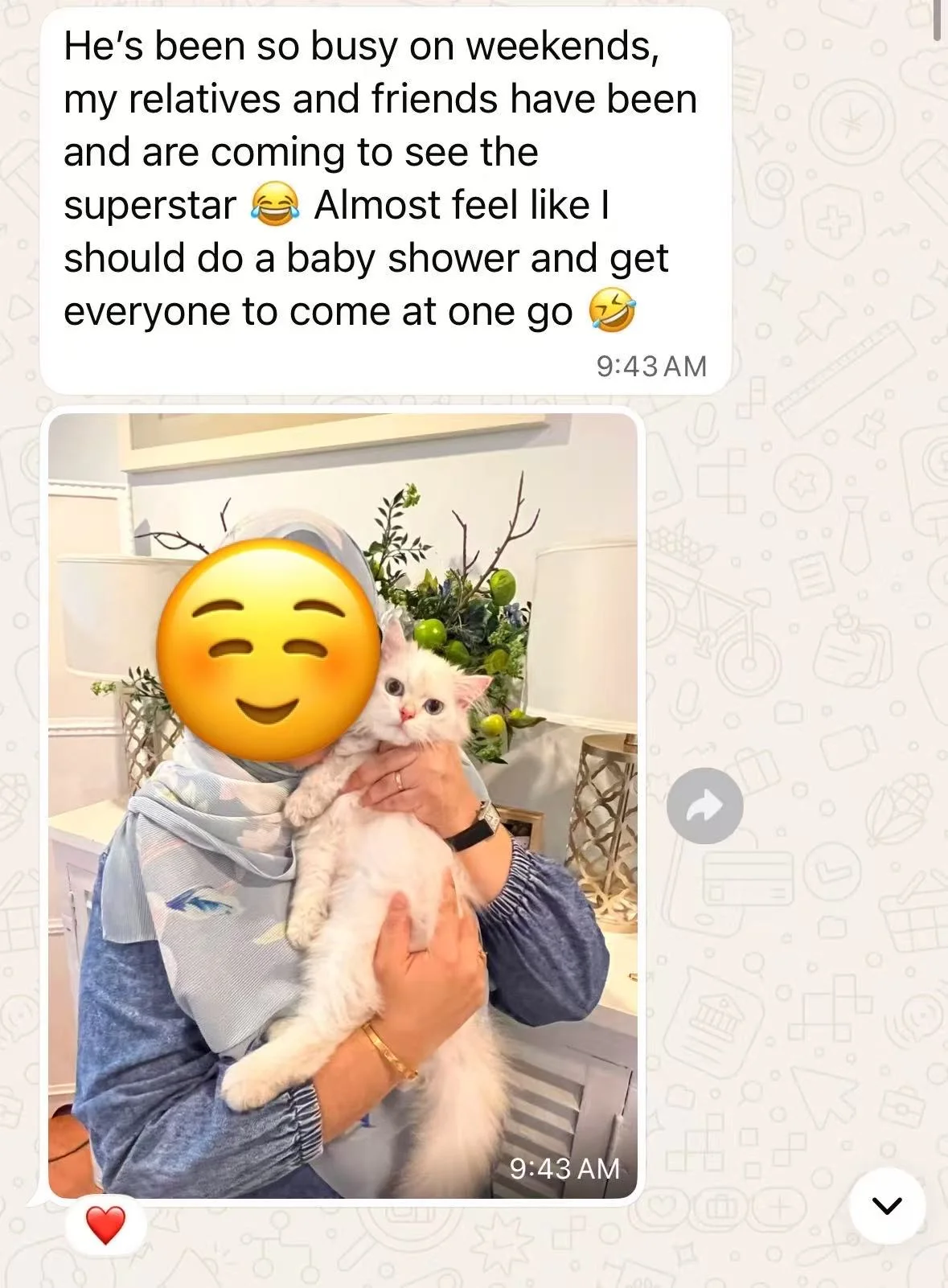
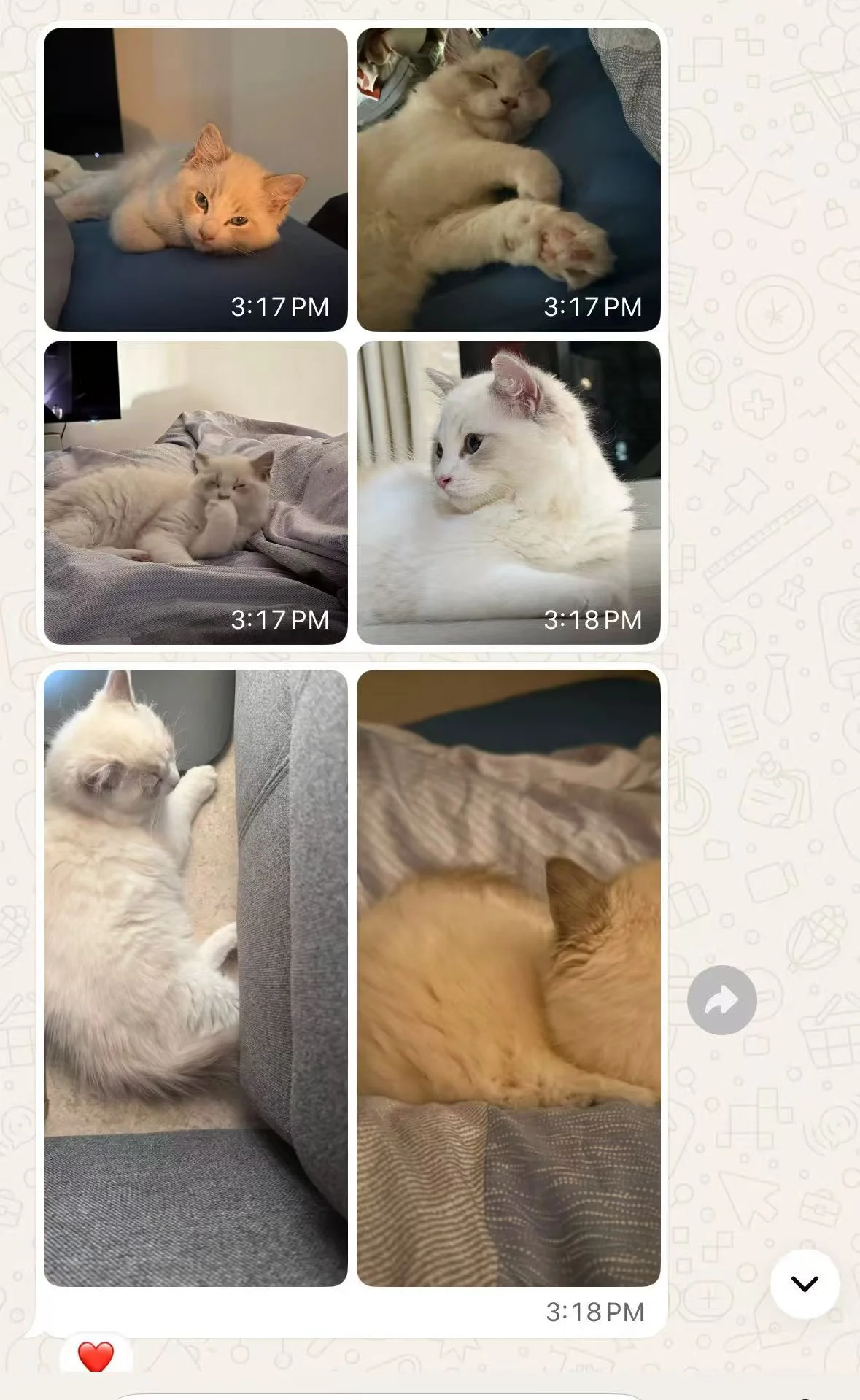
Where a previous owner has given permission, NekoTown reviews feedback concerning kittens that have already joined their families. Useful feedback may cover adjustment during the first days and weeks, eating and litter-box habits, confidence, social behaviour, interaction with adults or children, health developments after placement, and the breeder’s response when questions or problems arose.
We distinguish between personal owner observations, breeder-provided information, veterinary diagnosis and documents independently reviewed by NekoTown.
Complete Parent-Cat Profiles
Every breeding sire and dam connected to a NekoTown kitten should have an individual profile. A parent profile may include registered name, everyday name, breed, sex, colour, date of birth, registry or association, registration number, pedigree, microchip identity, breeder or cattery, vaccination history, veterinary examinations, infectious-disease screening, breed-relevant genetic tests, known health history, temperament observations, mating history, current breeding status and retirement status.
A health document is not accepted solely because it contains a favourable result. It must be reasonably traceable to the correct cat by matching details such as registered name, microchip number, breed, sex, date of birth, examination or sample date, issuing clinic or laboratory and report date.
Breed-Relevant Health Testing
NekoTown does not treat one general DNA panel as sufficient for every breed. The appropriate review depends on the breed, pedigree, family history, known risks and available veterinary guidance. Relevant records may include hypertrophic cardiomyopathy-related testing, cardiac auscultation or echocardiography, polycystic kidney disease testing, progressive retinal atrophy testing, pyruvate kinase deficiency testing, spinal muscular atrophy testing, FeLV and FIV screening, blood typing, ophthalmic examination, hip or patellar evaluation, BAER hearing testing for applicable cats, and other breed- or line-specific examinations.
Genetic testing supports informed breeding decisions and may reduce known inherited risks. It does not test for every possible disease and does not replace relevant clinical examinations. TICA’s breeder guidance and GCCF breeding guidance both emphasise that health, inherited risks and responsible mating decisions should be considered before breeding.
Live Review of the Actual Living Environment
When an in-person visit is not practical, the breeder must complete a live video review. NekoTown does not rely only on edited promotional videos or photographs of a prepared display area. A live review may include the adult cats’ normal living space, maternity area, nursing area, feeding and drinking facilities, litter trays, cleaning arrangements, resting spaces, enrichment, ventilation, temperature management, the number of cats using the space and the breeder’s normal interaction with the cats.
We do not judge a cattery by luxury or decorative appearance. We look for an environment that is clean, safe, secure, adequately ventilated, not visibly overcrowded, suitable for rest and play, and capable of supporting normal human interaction and socialisation.
Parent Physical Condition and Temperament
Documents are only one part of the review. Through live video, current recordings, veterinary records and the breeder’s long-term observations, NekoTown also considers whether each parent appears suitable for breeding. We look at body condition, mobility, breathing, eyes, nose, ears, skin and coat, response to handling, confidence in the familiar home environment, recovery after mild surprise and any persistent fear, stress or unexplained aggression.
A video review is not a veterinary diagnosis. Its purpose is to identify inconsistencies or concerns that may require further evidence or veterinary assessment.
NekoTown’s Ethical Breeding Requirements
The rules of the applicable registry and the breeder’s local law remain mandatory. NekoTown applies additional standards when deciding whether to work with a breeder. These are NekoTown partnership requirements and should not be interpreted as identical rules adopted by every international cat association.
Breeding Begins Only After Appropriate Maturity
A parent cat must not enter NekoTown’s breeding programme before 12 months of age. For slower-maturing or larger breeds, or where adult clinical examination is needed, the expected first breeding age may be approximately 15 to 18 months or later. Age alone does not make a cat suitable for breeding; the cat must also have appropriate physical maturity, acceptable body condition, applicable health screening, documented identity and pedigree, and a temperament considered suitable for domestic offspring.
Queens Are Limited to One Litter in 12 Months
NekoTown’s standard is that a queen should produce no more than one litter in any 12-month period. We review mating dates, birth dates, number of kittens born and surviving, delivery method, weaning dates, maternal body condition, recovery between litters, veterinary complications and whether the queen appears physically and behaviourally ready before another mating.
This is a stricter NekoTown policy rather than a statement that all registries impose the same annual limit. For comparison, FIFe rules set broader breeding-frequency limits and address repeated caesarean sections and welfare concerns in breeding cats.
Breeding Cats Retire Before Six Years of Age
NekoTown requires a clear retirement plan for every sire and dam. Our standard is that breeding cats should retire before six years of age. Earlier retirement is required when justified by the cat’s health, reproductive history, behaviour, welfare or veterinary advice. Retirement must not mean transferring an unsuitable cat to another breeder to continue reproducing.
Every Mating Must Have a Health and Welfare Rationale
Before accepting a litter, we review why the sire and dam were paired. A responsible pairing should consider each parent’s health, breed-relevant genetic results, clinical examinations, pedigree and degree of relatedness, genetic diversity, blood-type compatibility where relevant, physical structure and normal function, temperament, reproductive history and known strengths or risks in both family lines.
NekoTown does not accept a pairing solely because it may produce a rare colour, exaggerated feature or higher-priced kitten.
All Litters and Kittens Must Be Registered and Traceable
Each litter and individual kitten must enter the appropriate registration process with the breeder’s recognised association or registry. Depending on the organisation and stage of development, records may include registered cattery, registered sire, registered dam, mating record, litter registration, individual kitten registration, pedigree, microchip identity, ownership transfer and breeding or non-breeding registration status.
Every kitten must be traceable through this relationship: breeder, registered cattery, registry or association, sire, dam, litter and individual kitten. A pending item must not be described as complete.
How Our Breeder Partnership Works
Established partner breeders give NekoTown early access to information about upcoming and current litters before those kittens are made widely available for reservation. This may include the planned sire and dam, the reason for the pairing, parent health and registration updates, expected birth information, litter record, candidate kitten identity, current photographs and videos, health, vaccination and registration progress.
This is not a wholesale purchasing or automatic approval system. Early access gives us more time to verify parents, review the pairing, follow the litter from an earlier age, observe each kitten over multiple stages, identify concerns before accepting a reservation and match individual kittens with suitable families. A long-term breeder relationship does not guarantee approval.
How NekoTown Selects Individual Kittens
Identifiable and Fully Traceable Kittens
Each candidate kitten receives a distinct NekoTown profile connected to its breeder, registered cattery, registry or association, sire, dam, litter, microchip or temporary identification, veterinary and vaccination records, registration status and NekoTown review history. A kitten will not be accepted if its identity cannot be reliably connected to its records and parents.
Development Review Every One to Two Weeks
Once a kitten enters candidate selection, the breeder is expected to provide a current video and development update approximately every one to two weeks. NekoTown reviews identity, weight and development, eyes, nose, ears, skin and coat, movement and physical function, feeding and litter-box habits, behaviour and socialisation, vaccination, deworming, veterinary changes and any medical follow-up.
We look for stable development, not a perfect single video. A sleeping kitten is not automatically lethargic, and a cautious response to a new object does not automatically indicate poor temperament. We compare observations across stages and review the context provided by the breeder and veterinary records.
Observable Temperament, Not Generic Labels
NekoTown avoids describing every kitten simply as “friendly” or “well socialised.” We record observable behaviour across updates, such as whether the kitten initiates exploration, how actively it plays, how it interacts with littermates, whether it approaches familiar people, how it responds to handling, how quickly it adapts to a new object or sound, and whether it appears more independent or more socially motivated.
A kitten’s current profile may describe tendencies such as confident explorer, active and play-oriented, gentle companion, independent observer, slow to warm up, strongly socially motivated or better suited to a quieter home. These descriptions reflect the observed developmental stage and are not guarantees of permanent adult personality.
Suitable Family Match
NekoTown does not automatically choose the boldest kitten. The first kitten to approach the camera is not necessarily the right kitten for every household. A very active kitten may suit a family with substantial time for play. A cautious kitten may thrive in a calm home. A kitten strongly attached to littermates may be better suited to a home with another compatible cat.
We consider the prospective home, including previous cat experience, household size, children, existing cats or dogs, work and travel schedule, daily interaction, noise level, grooming capacity, housing safety and long-term veterinary commitment.
Ready to Leave Responsibly
A kitten is not recommended for placement merely because a buyer would like an earlier collection date. Before going home, a kitten should have completed normal weaning, established independent eating and drinking, established litter-box use, received age-appropriate vaccinations, completed the agreed veterinary examination, received parasite management as applicable, completed or scheduled microchipping, entered the appropriate registration process, received age-appropriate socialisation and reached a suitable physical and behavioural stage for separation from the dam and littermates.
Where international travel, rabies vaccination, import permits or local legislation requires a later date, the kitten remains with the breeder until those conditions are met.
What We Look for in a NekoTown Kitten
- Verifiable origin: the kitten can be connected to a real breeder, registered cattery, sire, dam, litter and association record.
- Public parent information: the buyer can review sire and dam identity, pedigree, health information, temperament observations, breeding history and current status.
- Consistent records: the kitten’s identity is consistent across profile, litter record, veterinary records, vaccination records, microchip and registration documents.
- Stable development: weight, appetite, elimination, movement and general condition show appropriate progress without a continuing unexplained concern.
- Normal physical function: the kitten can breathe, eat, see, move, balance, play and use the litter box normally based on the information available to us.
- Appropriate socialisation: the kitten has regular contact with its dam, littermates and human carers and is gradually exposed to normal household activity.
- Transparent health history: known symptoms, treatment, veterinary examinations and unresolved matters are disclosed rather than removed from the kitten’s history.
- Suitable placement age: the kitten has reached the relevant health, vaccination, registration and developmental stage before leaving.
- Suitable family match: the kitten’s observed traits and needs are compatible with the home being considered.
When We Pause or Decline a Breeder, Litter or Kitten
NekoTown may pause or decline a recommendation when breeder or cattery identity cannot be verified, registry information cannot be confirmed, the sire or dam cannot be reliably identified, a health report cannot be connected to the correct cat, parent health information is missing, the breeder refuses live environmental review, cats appear to be kept in unsuitable or overcrowded conditions, a queen is bred more frequently than NekoTown permits, a breeding cat has no credible retirement plan, a mating presents unexplained inherited-health or close-relatedness concerns, or the breeder asks us to withhold information that could affect a buyer’s decision.
We may also pause a specific kitten when there is persistent unexplained weight loss, continuing vomiting or diarrhoea, breathing difficulty, poor general condition, pain, lameness, abnormal movement, undisclosed symptoms, refused veterinary attention, incomplete weaning, too-early placement, incomplete vaccination, examination, microchip or registration requirements, conflicting identity records or temperament needs that do not match the proposed household.
A pause does not always mean permanent rejection. A case may be reviewed again after further observation, veterinary examination, treatment, repeat testing, corrected documentation, completion of registration or confirmation that the kitten has resumed normal development. Confirmed record falsification, identity substitution, serious welfare concerns or deliberate concealment of material health information may end the breeder relationship.
What Buyers Can Verify on NekoTown Profiles
Every Kitten Profile
Each kitten profile should provide direct links to the relevant breeder, sire and dam profiles where those profiles are publishable. The kitten profile may include identity and origin, breed, sex, colour and pattern, date of birth, breeder, registered cattery, registry or association, litter identifier, sire and dam profiles, microchip information, registration status, latest weight, development video date, vaccination status, parasite-control status, veterinary examination, known health events, treatment and follow-up, unresolved matters, parent health-record summary, observed temperament and current NekoTown review status.
Every Parent Profile
Each sire and dam profile may include registered and everyday names, breed, sex, colour, birth date, registry and registration number, pedigree, microchip identity, breeder or cattery, vaccination history, infectious-disease screening, genetic test results, applicable clinical examinations, issuing clinic or testing laboratory, known health history, temperament observations, breeding and litter history, related offspring, current breeding status, retirement plan and latest NekoTown review date.
The parent profile is not merely a pedigree summary. It is the evidence page supporting the parent-related statements made on each kitten profile.
How We Label Information and Evidence
- Issued by an independent organisation: the record was issued by a registry, veterinary clinic or testing laboratory.
- Original reviewed by NekoTown: NekoTown reviewed the original or a verifiable copy and checked identifying details.
- Provided by the breeder: the information is based on the breeder’s record or observation and is not presented as an independent veterinary conclusion.
- Reported by a previous owner: the information comes from a previous kitten owner and is published with permission or in anonymised form.
- Pending: the kitten has not reached the appropriate stage, or the final document has not yet been issued.
- Not applicable: the test or requirement is not relevant to the breed, individual cat, registry process or destination.
- Unable to verify: a record was provided, but its identity, source or completeness could not be confirmed.
What Our Review Can and Cannot Establish
Registration, pedigree review, genetic testing, veterinary examinations and development monitoring can improve transparency and reduce some identifiable risks. They cannot guarantee that a kitten will never become ill.
NekoTown does not claim that registration guarantees health, association membership guarantees breeder conduct, healthy parents guarantee lifelong kitten health, a negative DNA result excludes every inherited condition, one veterinary examination predicts lifelong health, video monitoring replaces veterinary diagnosis, kittenhood temperament will never change, or any kitten can be guaranteed “100% healthy.”
What NekoTown commits to is reviewing the information available to us, connecting records to the correct cats wherever possible, showing who issued or supplied the information, publishing parent and kitten profiles where appropriate, disclosing known material concerns, identifying incomplete or pending records, pausing a recommendation when an important concern remains unresolved, and not concealing information merely to complete a sale.
Who Is Responsible for This Standard
This page is published by NekoTown as an explanation of our internal breeder and kitten selection standard. It describes how NekoTown reviews breeder-provided records, parent-cat information, kitten development updates, health-document completeness, identity consistency and information disclosed to prospective buyers.
NekoTown does not provide veterinary diagnosis. Veterinary examinations, laboratory results and health certificates are issued by the identified veterinary clinic, veterinarian or testing laboratory. NekoTown’s review focuses on document completeness, identity consistency, traceability and whether material information has been disclosed responsibly.
Standard version: 1.0
Originally published: 17 July 2026
Last materially reviewed: 17 July 2026
Corrections or complaints: email nekotown@sinlea.com or contact us through the NekoTown contact page.
Standards and External References
NekoTown’s selection requirements are developed and maintained by NekoTown. We also consult public buyer, registration, breeding-health and welfare guidance from established organisations. Reference to an external organisation does not mean that the organisation has reviewed, certified, endorsed or recommended NekoTown.
- The International Cat Association (TICA)
- The Cat Fanciers’ Association (CFA)
- Fédération Internationale Féline (FIFe)
- The Governing Council of the Cat Fancy (GCCF)
- GCCF breeding guidance
- FIFe rules and welfare guidance
To see how this standard connects with real available kittens, visit Available Kittens, read our Pedigree & Health Standards, or book a kitten viewing.