Blue & Grey Kittens for Sale in Singapore
Meet our current blue and grey kittens, from solid Blue British coats to Blue Bicolour, Blue Mitted and Blue Lynx Ragdolls. See how breed, pattern and coat length change the look.
Meet Our Current Blue & Grey Kittens
See recent photos, breed, exact colour, sex and latest status. Open a kitten profile for more photos, personality details and viewing information.
Why Grey Kittens Are Called Blue
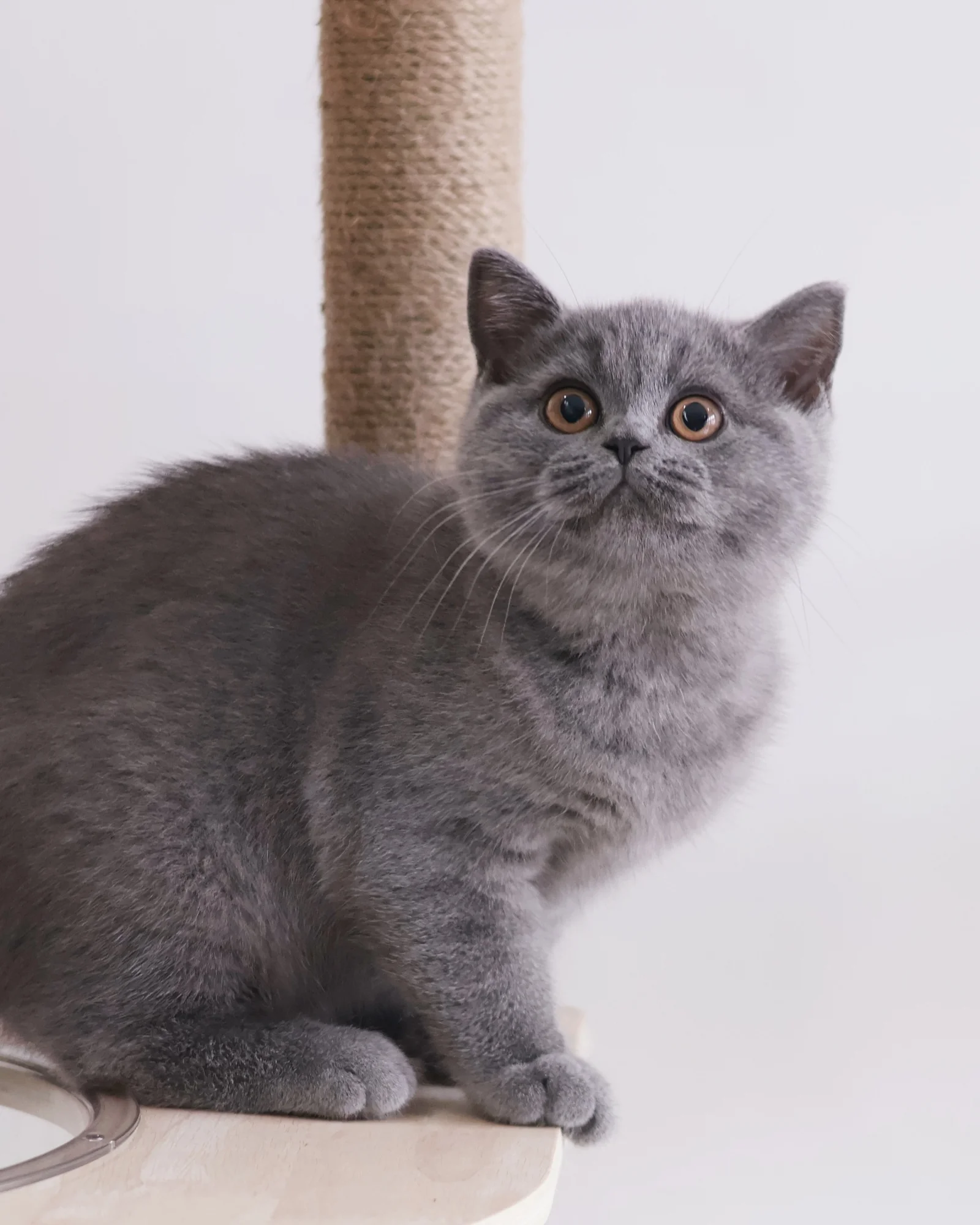
Most people describe the colour they see as grey: cool, soft and sometimes almost silver in brighter light. In pedigree colour terminology, the same colour is called blue. It is produced when black pigment is diluted, which is why a kitten that looks grey may be listed as Blue, Blue Bicolour, Blue Mitted or Blue Lynx.
Blue is a coat colour, not a breed. A Russian Blue is one particular breed, while British Shorthair, British Longhair, Ragdoll and Munchkin kittens can also have blue-grey coats. Each kitten card uses the more specific colour name so you can see exactly which shade and pattern you are comparing.
How Each Blue-Grey Pattern Changes the Look
The word grey tells you the colour family. The pattern tells you where the colour appears, how much white you will see and whether the coat looks solid, pointed or striped.
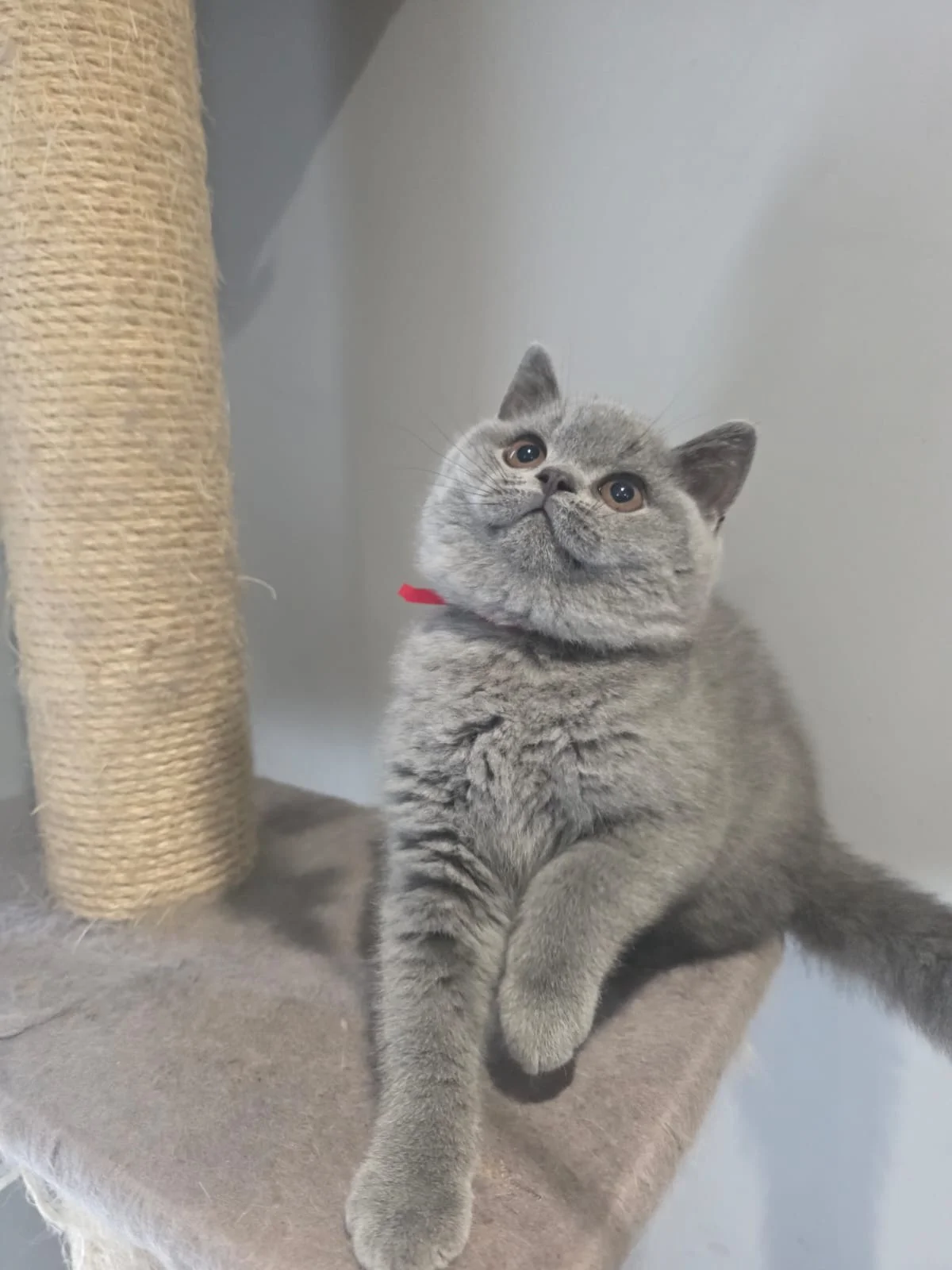
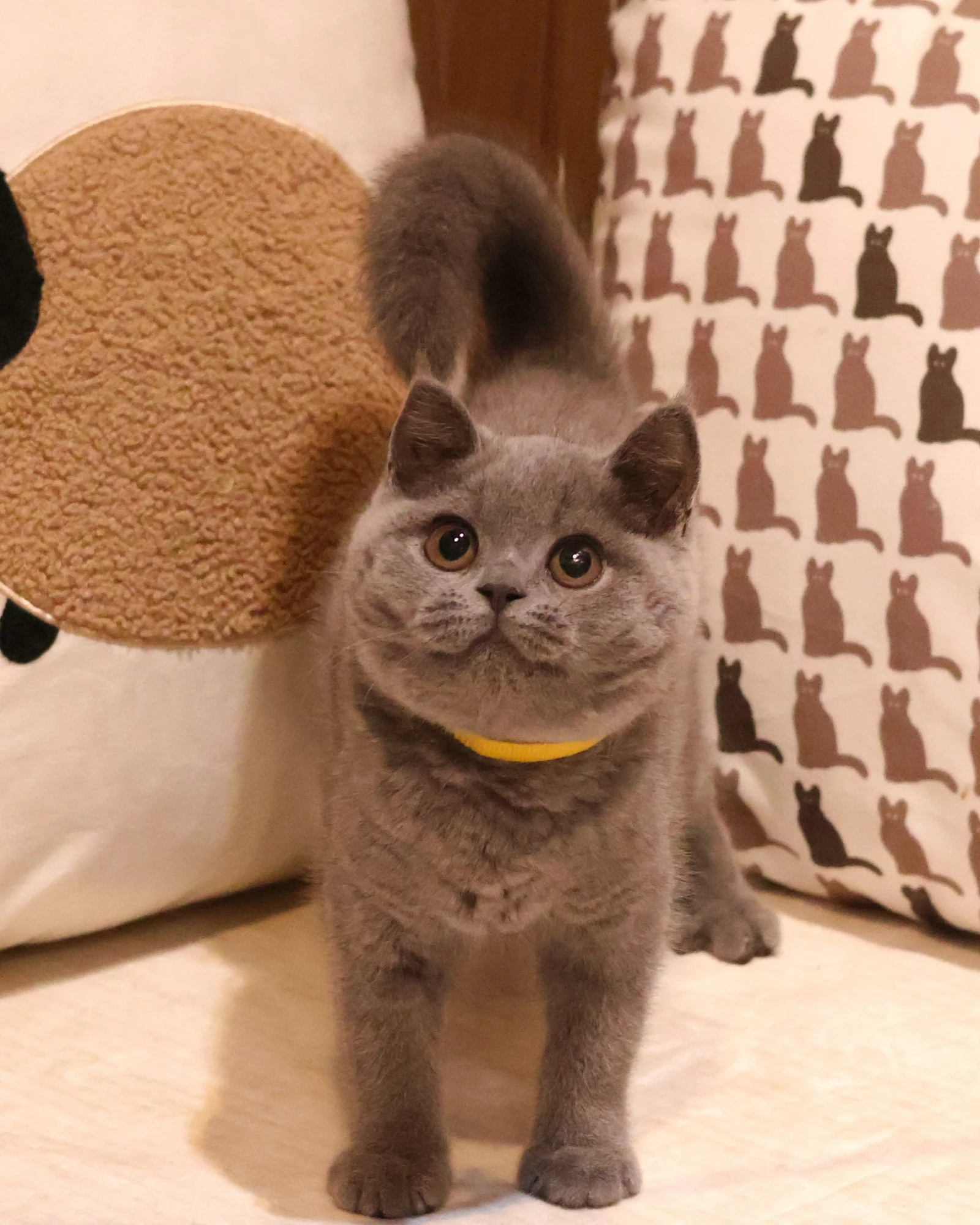
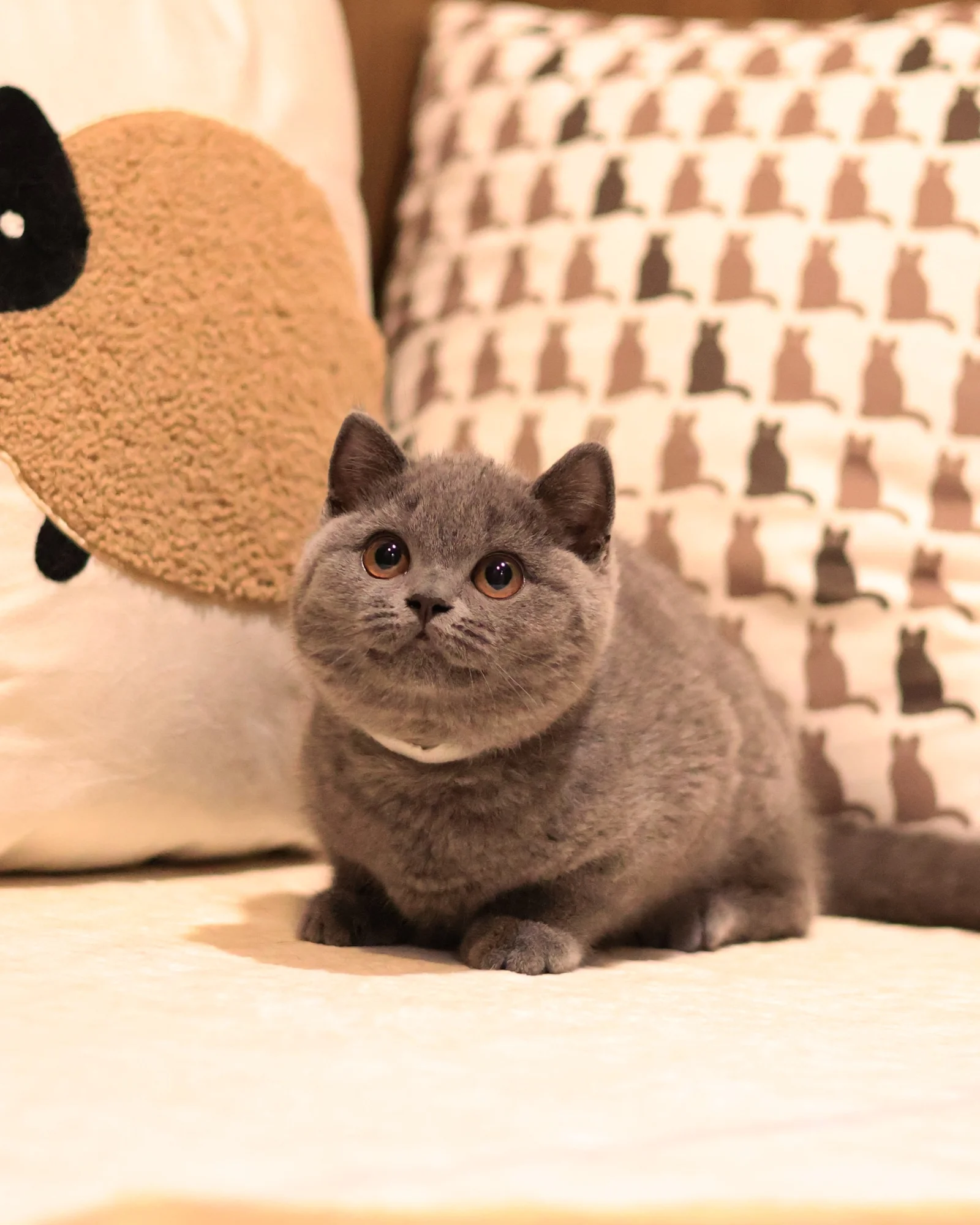
Blue: an even grey-blue coat without large white areas. The dense British coat gives this colour a compact, velvety appearance.
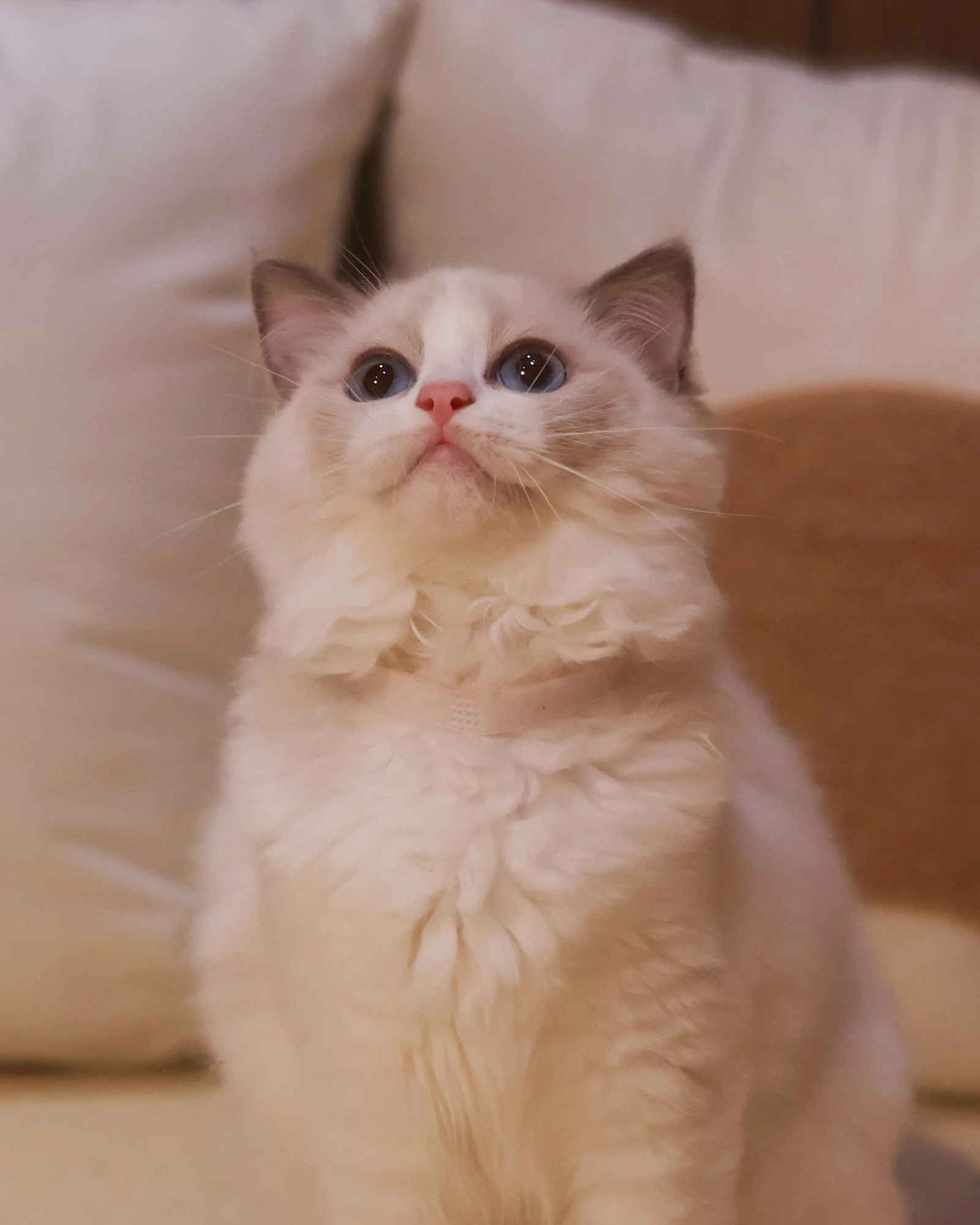
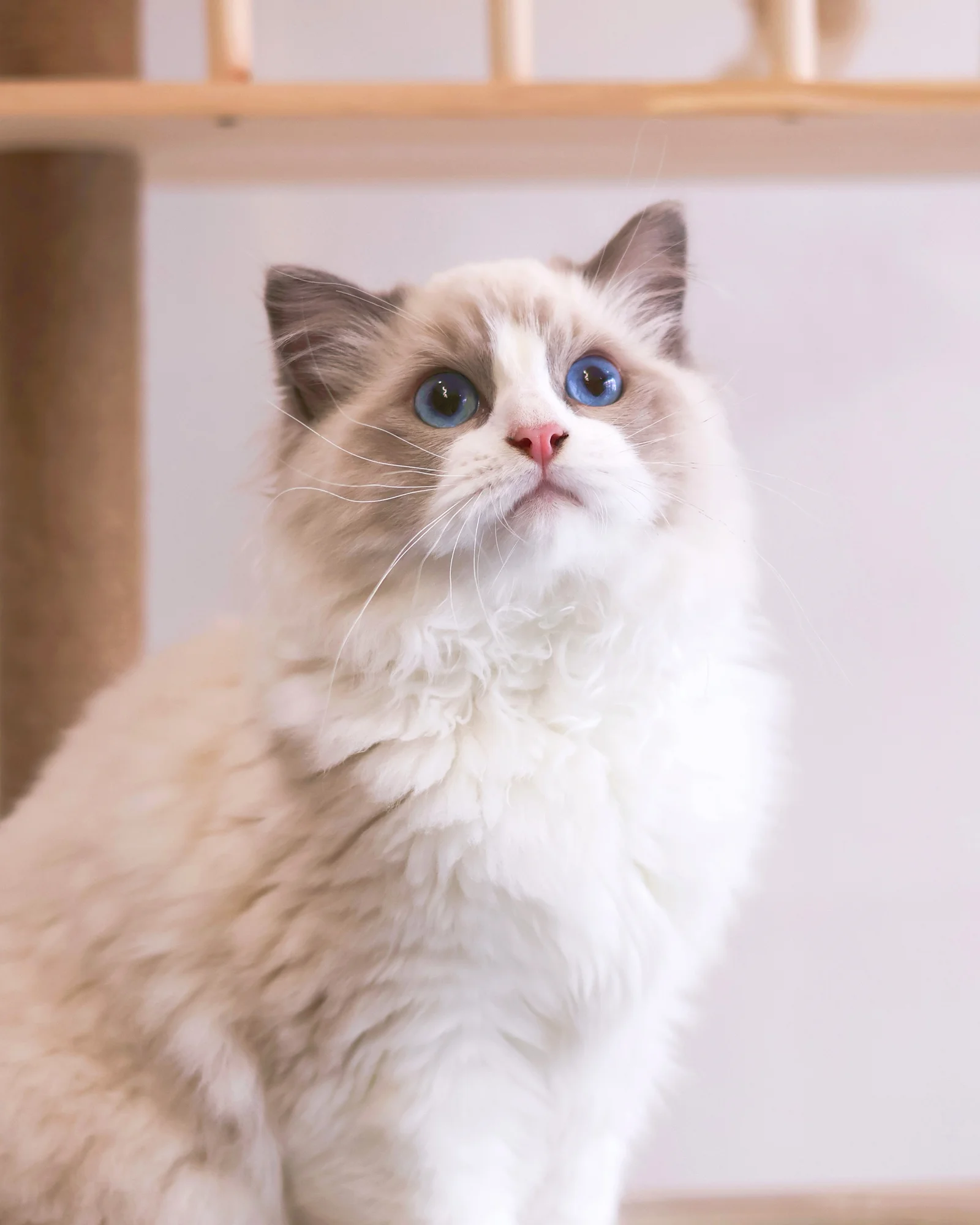
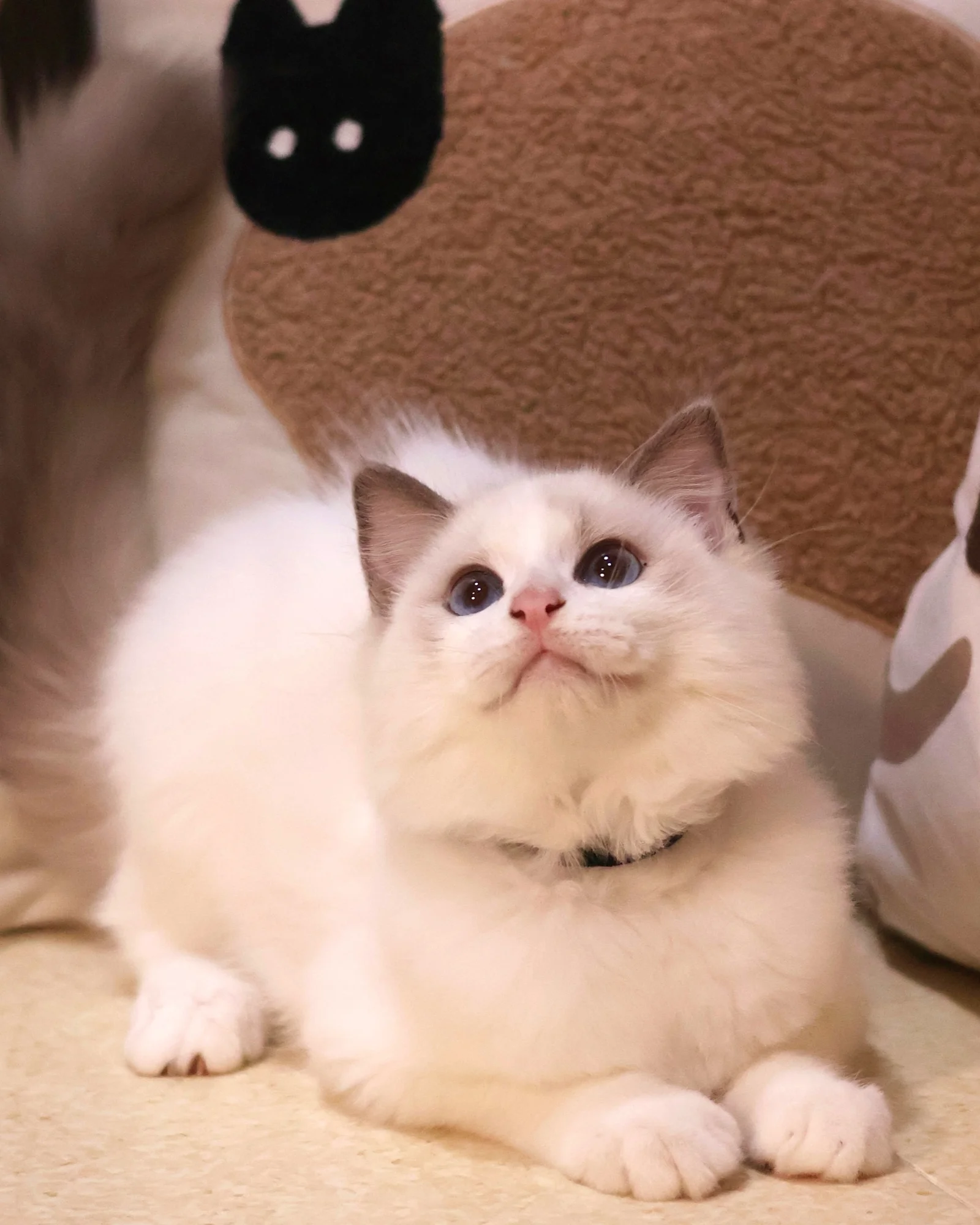
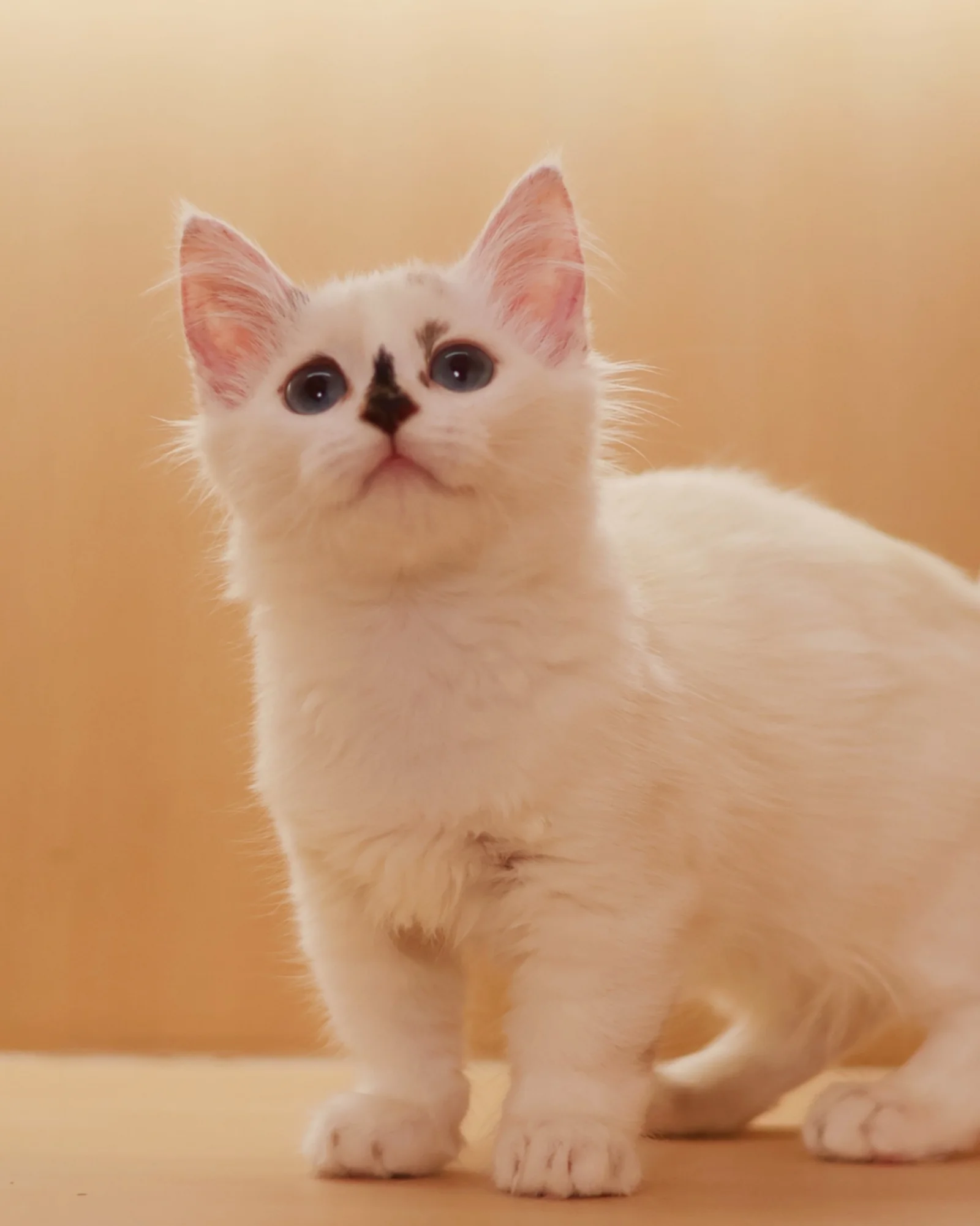
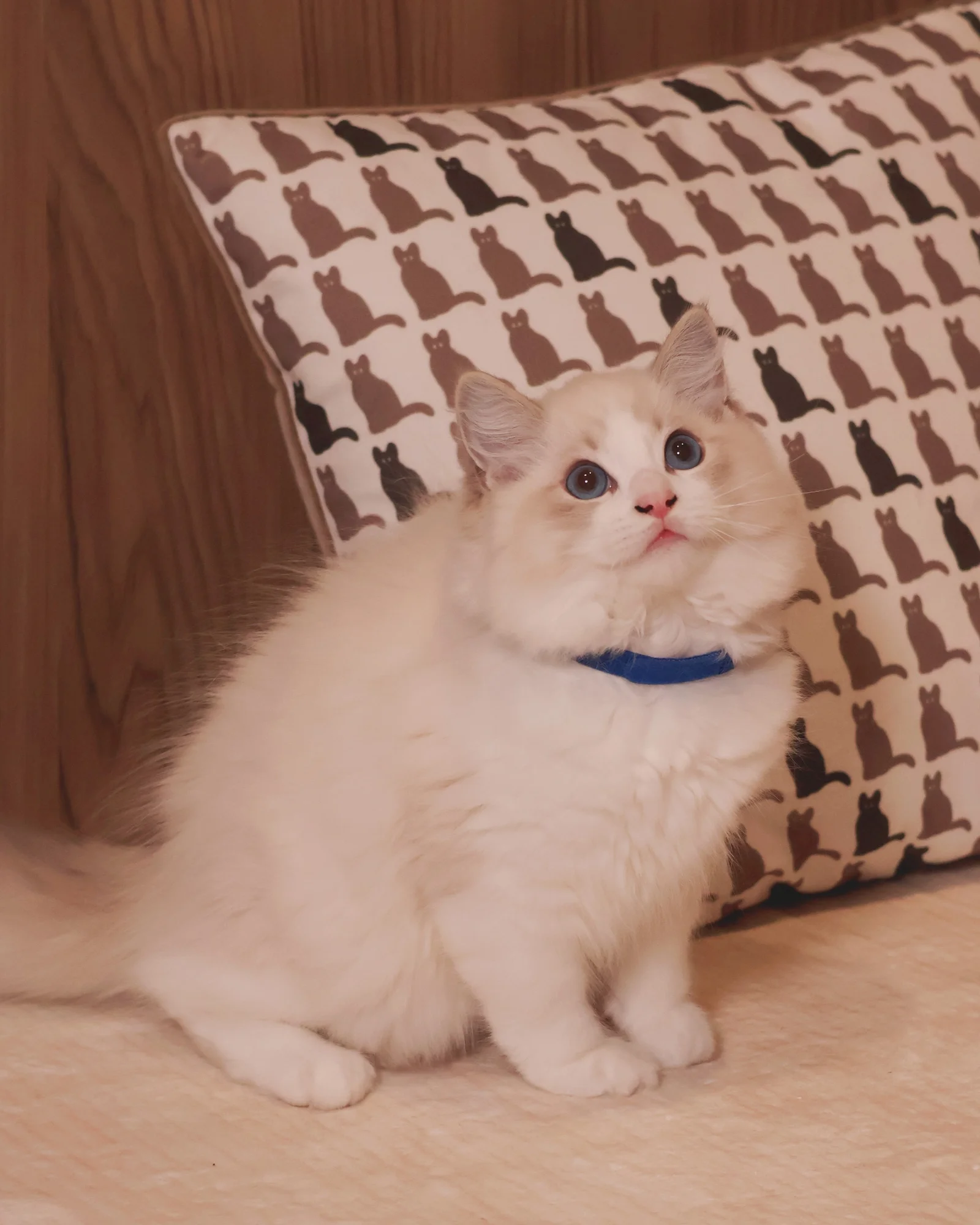
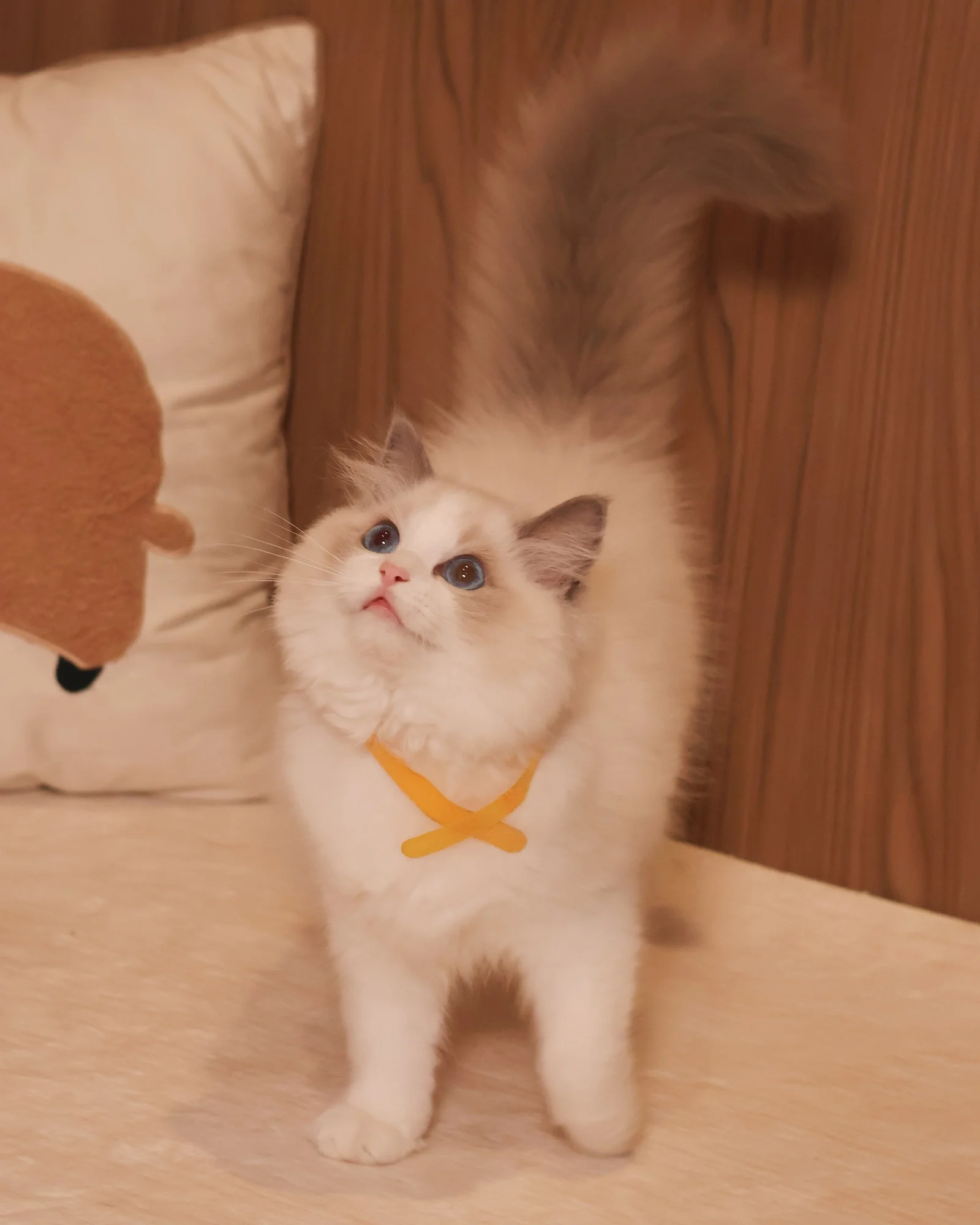
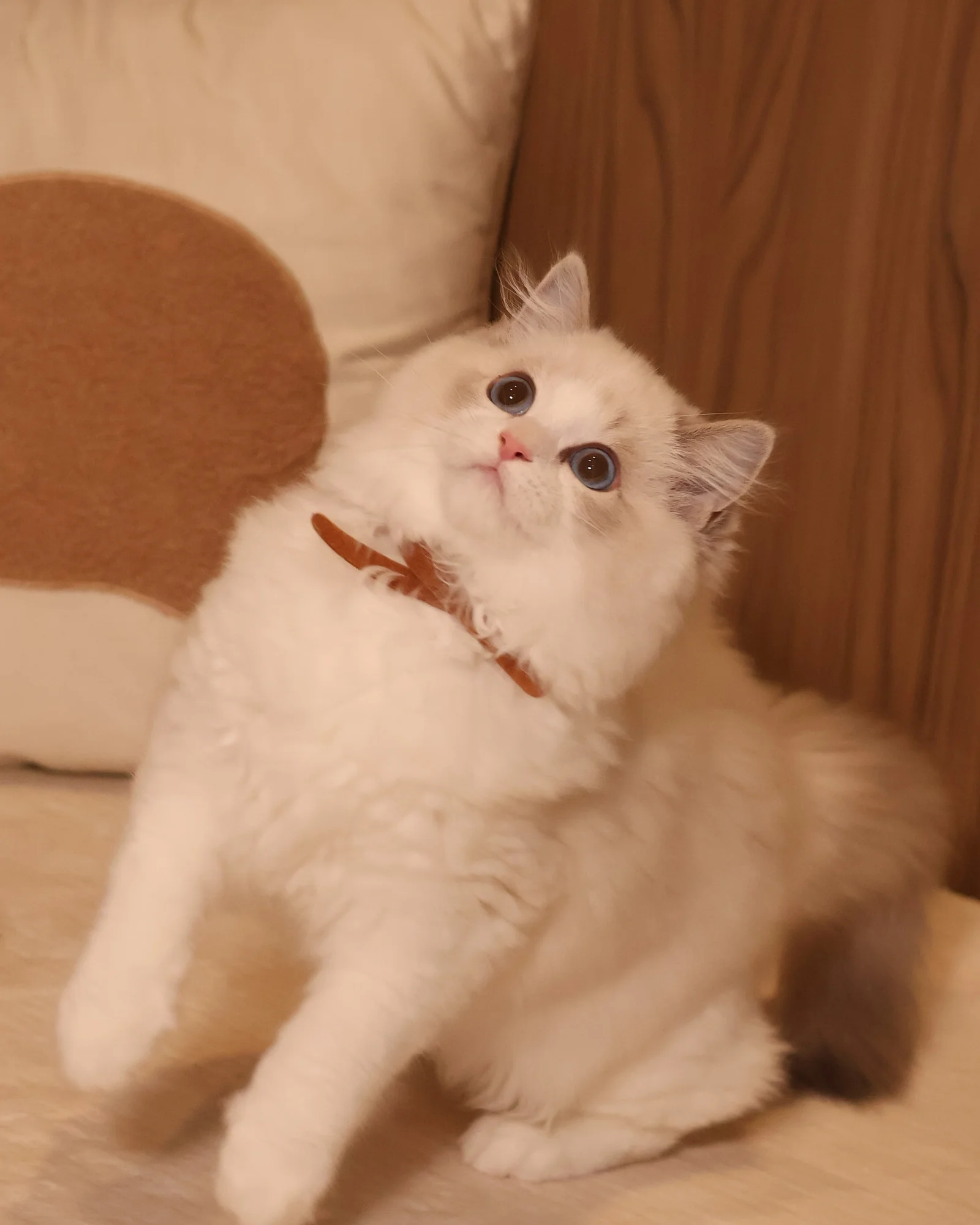
Blue Bicolour: blue-grey and white share the coat. On a Ragdoll, the white inverted V opens the face and continues through the chest, belly and legs.
Blue Mitted: the mask, ears and tail are blue-grey, while the chin, front paws, back-leg boots and belly line are white. More colour remains around the eyes than on a bicolour face, creating a stronger frame.
Blue Lynx Bicolour: also shown on some kitten profiles as Blue Bicolour Lynx, this pattern adds fine tabby bars to the blue-grey areas, especially around the face, legs and tail.
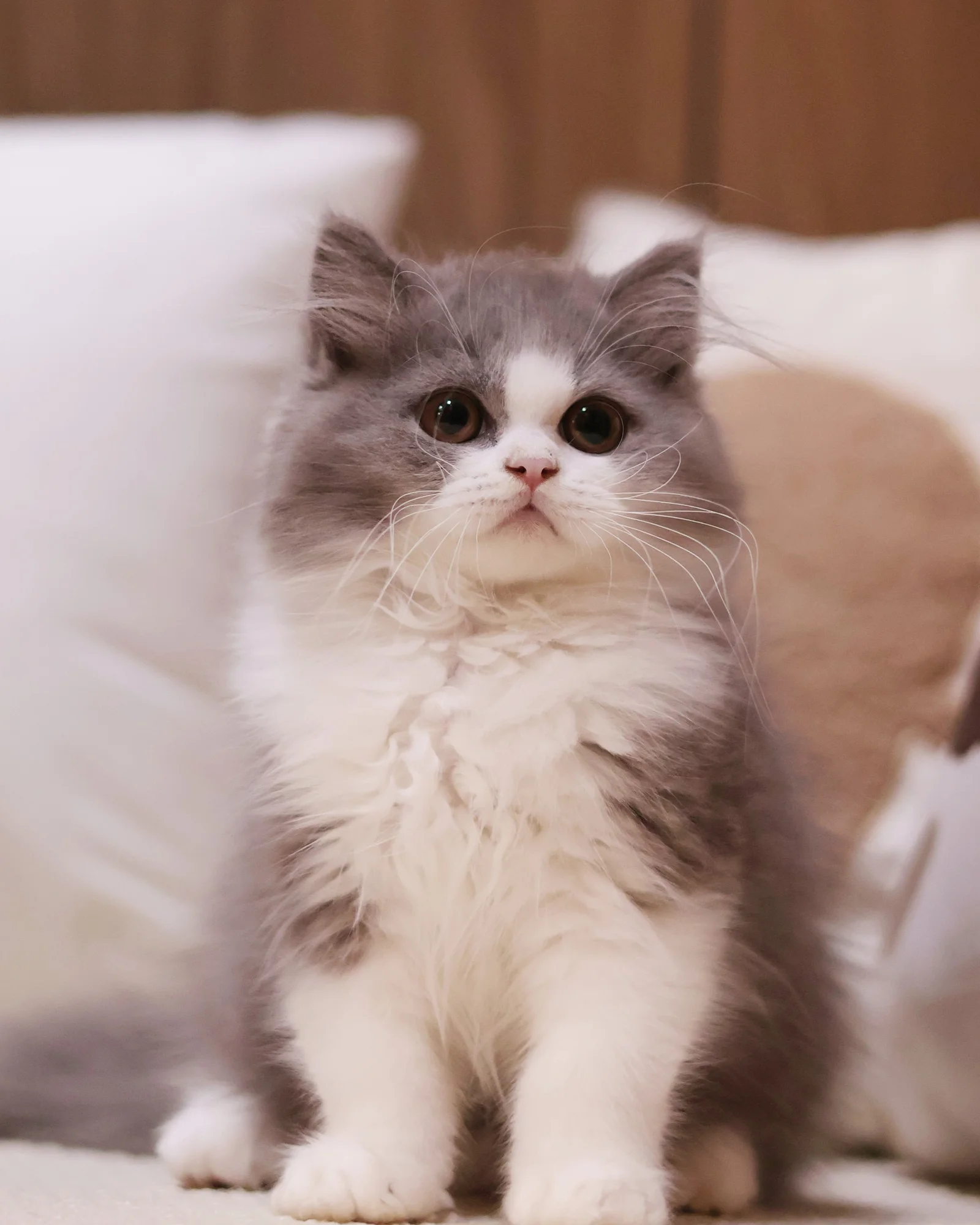
Blue and White: blue-grey patches sit beside white on a non-pointed coat. The balance and placement of the two colours are individual to each kitten.
Blue Tabby and White: blue-grey tabby markings appear over a lighter background with white areas, giving the coat a patterned rather than solid-grey appearance.
The Same Blue Colour Looks Different on Every Breed
At NekoTown, we have met blue-grey coats on Ragdolls, British Shorthairs, British Longhairs and Munchkins. Some families picture a round-faced British kitten with one plush block of colour. Others mean a pale Ragdoll with a blue-grey mask, white markings and bright blue eyes. The colour family may be the same, but the face, eyes, coat length and pattern create a very different overall look.
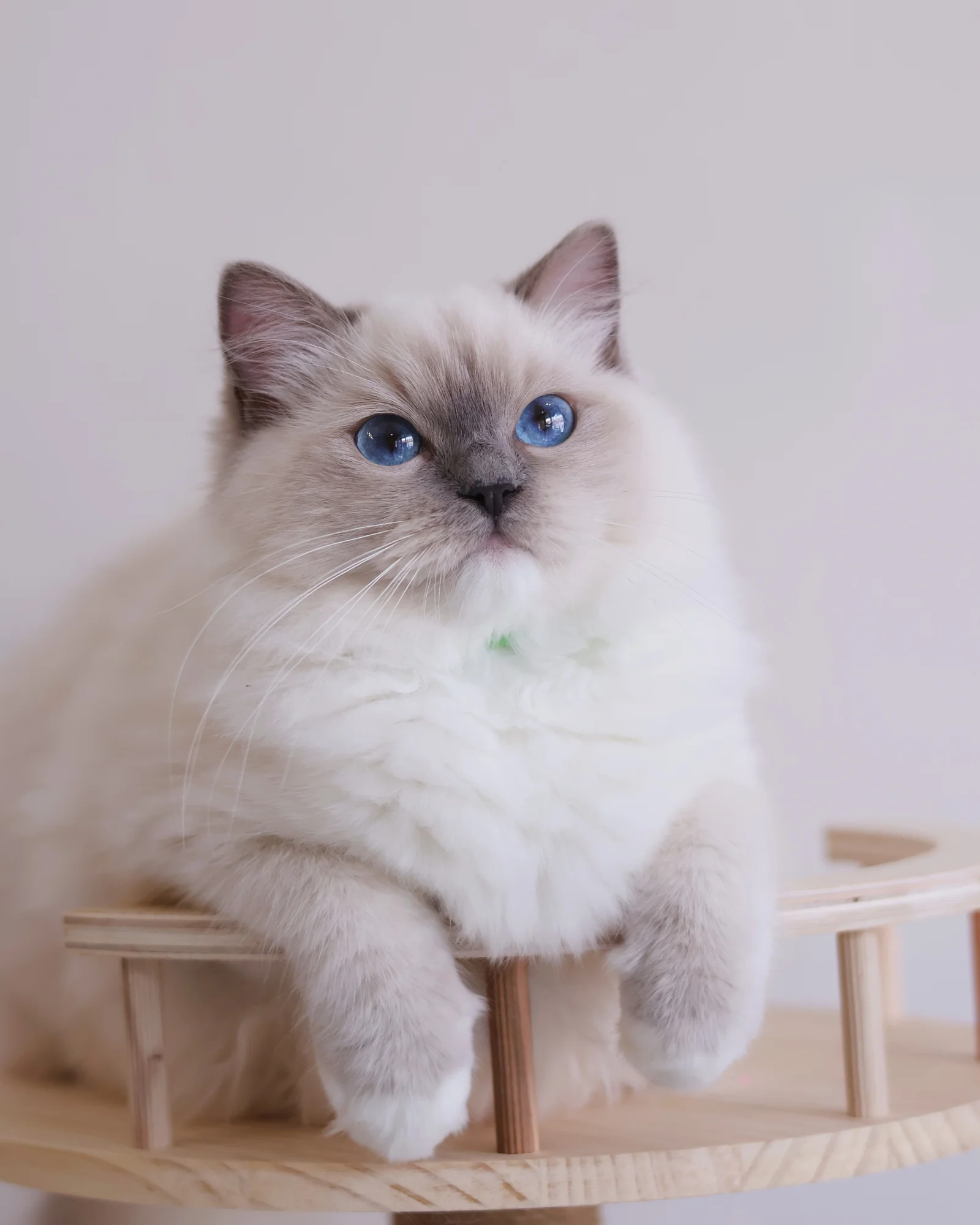
Ragdoll: blue appears as a point colour, leaving the body lighter than the mask, ears, legs and tail. Blue Bicolour brings more white through the face and body, while Blue Mitted keeps a fuller mask with neat white paws. Traditional pointed Ragdolls have blue eyes.
British Shorthair: the short, exceptionally dense coat makes solid Blue look even and substantial. Solid Blue British cats usually pair the cool coat with warm copper, orange or deep-gold eyes.
British Longhair: the longer coat softens the outline of blue-and-white patches and gives the colour more movement around the chest, tail and cheeks. A solid Blue British Longhair can have the same warm eye colours as its shorthair counterpart, with a fuller coat that needs more frequent combing.
Munchkin: blue-grey may appear on either a short or long coat and can be solid, tabby or combined with white. A Blue Tabby and White Munchkin therefore looks quite different from a solid Blue British kitten even before body shape is considered.
Will a Blue or Grey Kitten Stay the Same Shade?
A solid Blue kitten remains genetically blue, although the baby coat, adult coat, grooming and lighting can make the shade look lighter or darker. Pointed kittens change more visibly because colourpoint pigment production is temperature-sensitive. A young Blue Bicolour, Blue Mitted or Blue Lynx Ragdoll may begin with a pale body and a light mask before the blue-grey points become clearer.
Lynx markings can gain definition as the face and tail develop. White areas remain part of the pattern, although a longer adult coat may make their edges look softer. Current photos show the kitten now, while our graduate photos give you a realistic view of the wider range without promising one exact adult shade.
Blue, Lilac and Silver Are Different Looks
Blue is normally cool and slate-grey. Lilac is paler and warmer, with a soft pinkish or lavender cast. Silver describes a different coat effect in which the base of the hair is pale or white while the tips or markings carry colour. Warm lamps and camera white balance can make all three look more alike than they do in person.
Compare several recent photographs rather than one image. The face, ears, tail, nose leather and coloured fur beside a genuinely white area usually reveal more than the overall brightness of the photograph.
How to Choose a Blue or Grey Kitten
Choose the pattern first. Decide whether you prefer one solid field of Blue, a blue-and-white coat, a pointed bicolour face, white mitted paws or visible lynx and tabby markings.
Compare the whole expression. A copper-eyed Blue British kitten feels very different from a blue-eyed Ragdoll, even when both belong to the same blue-grey colour family.
Consider the coat length. A short plush coat holds the colour in a dense outline; a longer coat looks softer and requires more frequent combing.
Open the kitten profile. Recent photos, breed, sex, exact colour and current status help you make a shortlist before visiting.
Meet the individual kitten. Once the colour has caught your attention, time together shows you the kitten’s activity level, response to people and comfort with handling.
See the Colour in Person at NekoTown
You can meet our available kittens in a private interaction room at 599 Geylang Road. We recommend looking at a blue-grey coat in neutral indoor light and, where practical, indirect daylight. This makes it easier to see the depth of the points, the balance of blue and white, the definition of lynx markings and the true texture of the coat.
During your appointment, we can walk you through the kitten’s exact colour, recent coat changes, parent coats, available documents, price, reservation steps and home-going arrangements. The photographs help you begin the shortlist; meeting the kitten brings the colour, coat, body shape and personality together.
If No Matching Kitten Is Shown
The cards above show our current blue and grey kittens. If no suitable kitten appears, tell us the pattern, breed, coat length and sex you prefer. We can then understand whether you are picturing a solid Blue British kitten, a blue-eyed Ragdoll, a mitted pattern or a blue-and-white coat and let you know when a similar kitten is expected.
Blue & Grey Kittens That Have Found Homes Through NekoTown
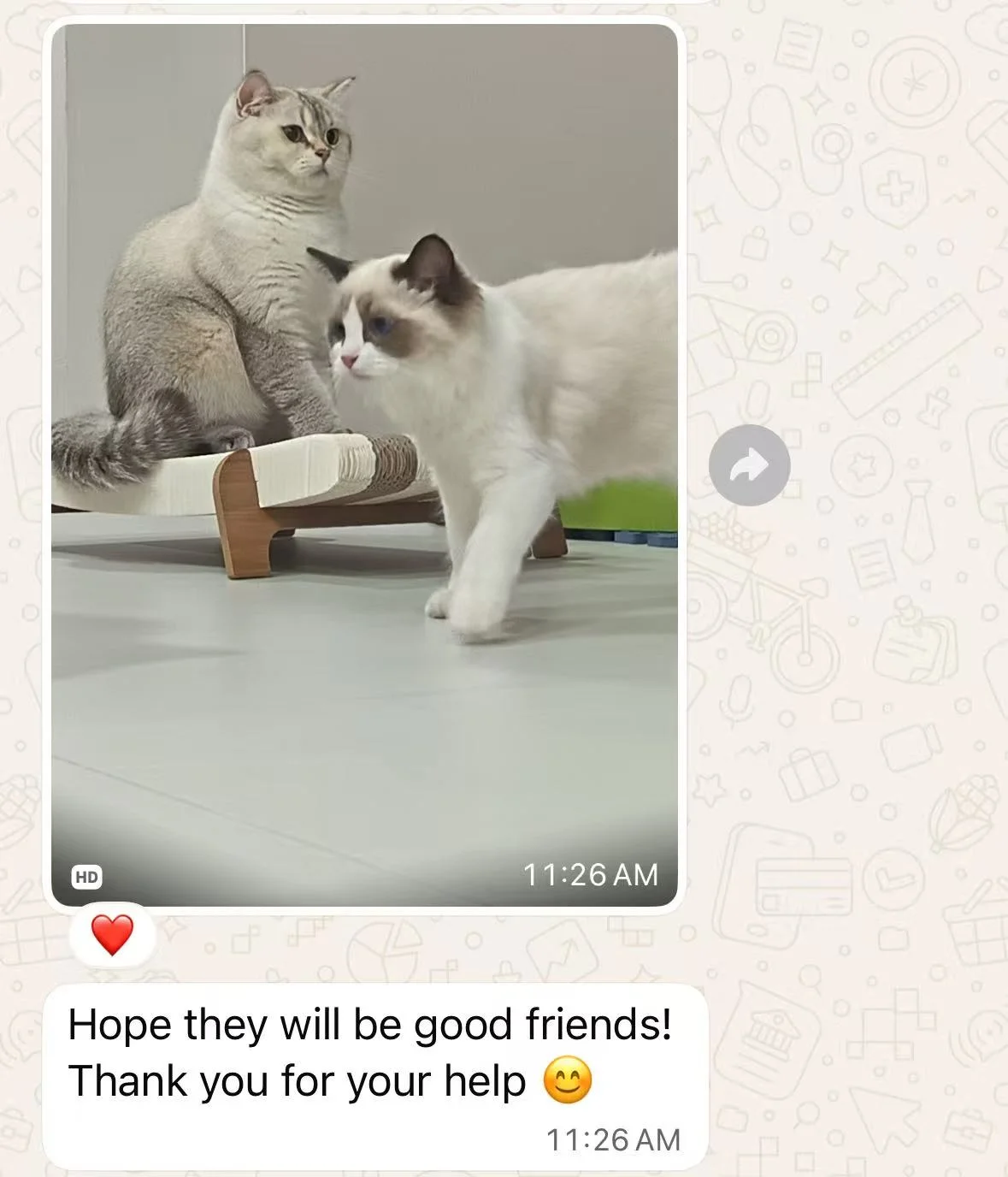
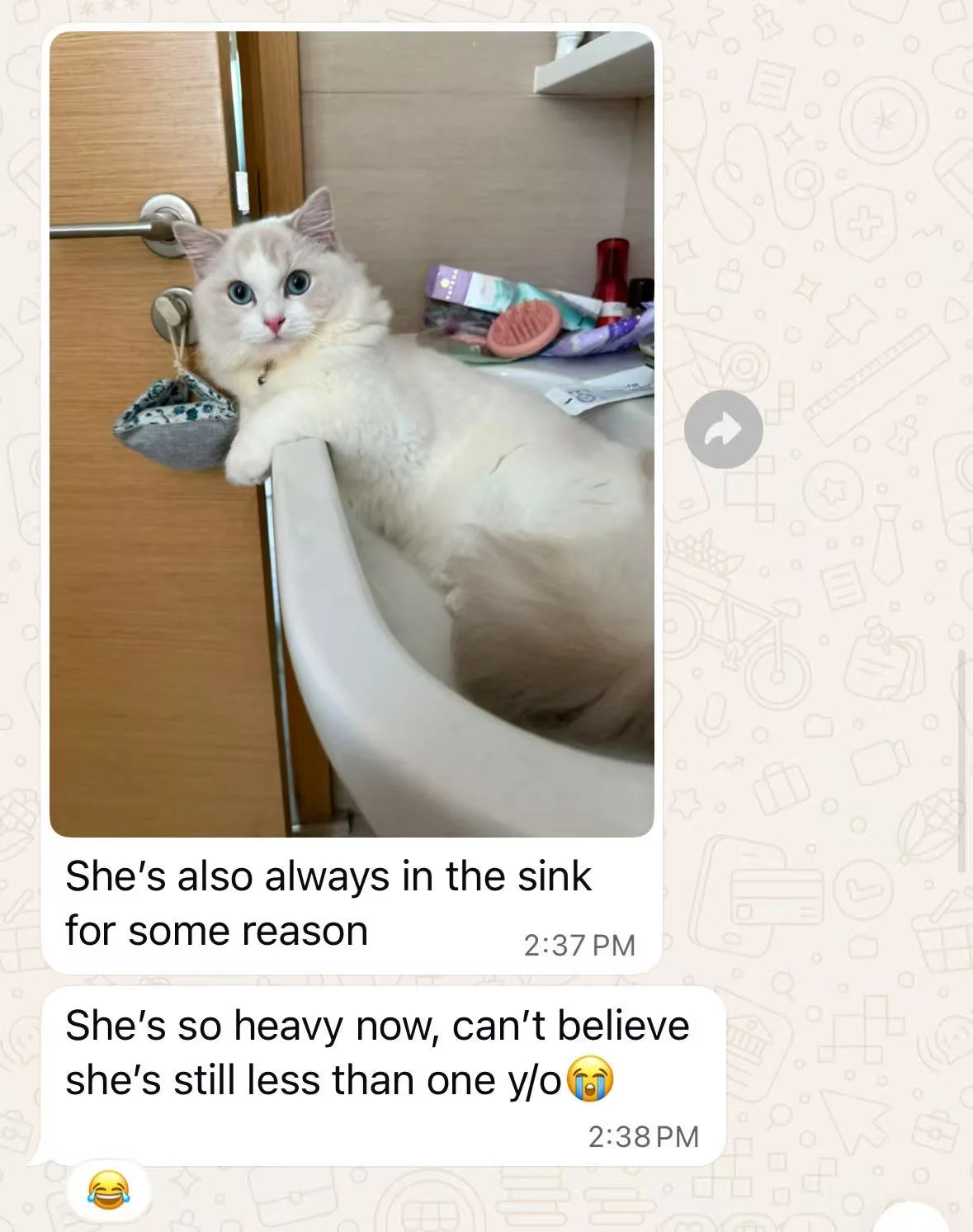
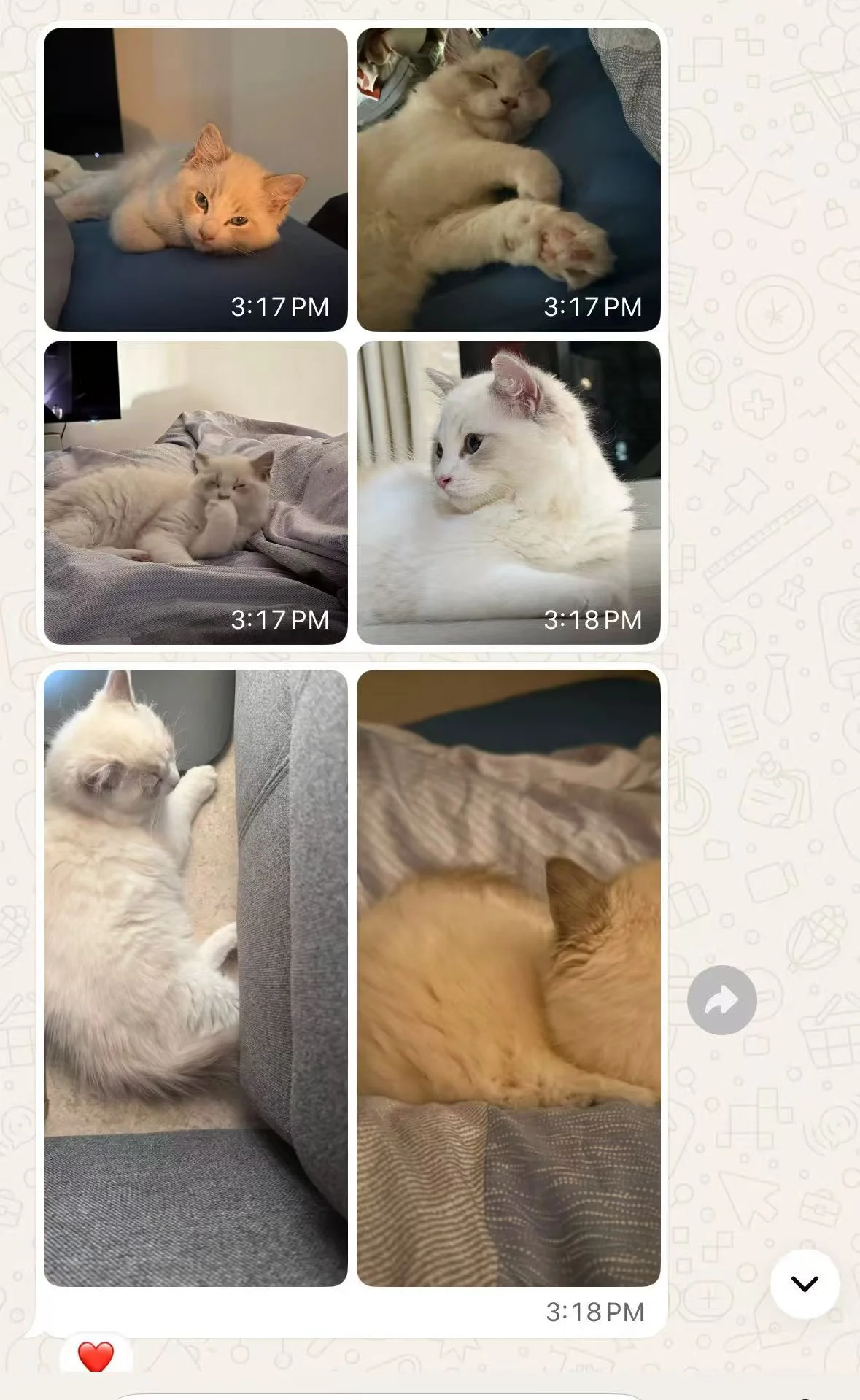
These kittens have already joined their families. Their real photos show how blue-grey coats look across breeds, coat lengths, bicolour markings and lynx patterns.
Meet Blue & Grey Kittens in Person
Photos help you compare the colour and pattern you prefer. A private viewing lets you see the kitten’s real coat tone, markings, coat volume, body shape and personality together.
We can show you the kitten’s full colour name, recent photographs, parent coats, available documents, price, reservation steps and home-going arrangements.
Address: 599 Geylang Road, Singapore 389538
Viewing: By appointment
WhatsApp: +65 9610 0989
Book a Blue or Grey Kitten Viewing · Ask About Blue & Grey Kittens on WhatsApp
Blue & Grey Kittens FAQ
Clear answers to common questions about blue-grey colours, patterns, breeds and eye colours.