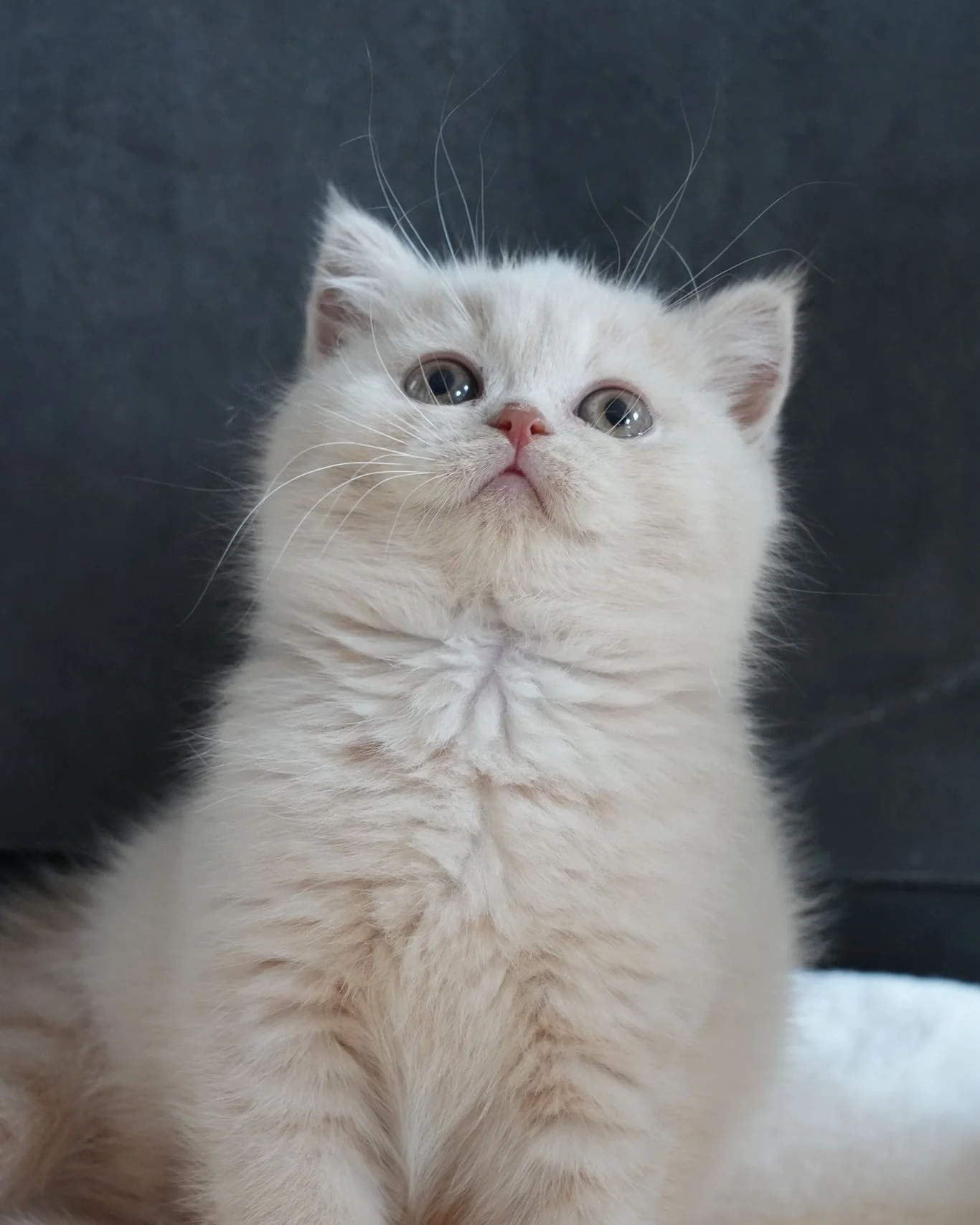
British Shorthair Colours Guide for Singapore Cat Owners
A practical British Shorthair colours guide for Singapore cat owners, covering British Blue, golden shaded, silver shaded, lilac, bicolour, colourpoint, tabby and tortoiseshell coats.
British Shorthairs are famous for their round face, plush coat and teddy-bear build, but colour is often the first thing families notice when choosing a kitten. Many people know the classic British Blue, the grey-blue coat that made the breed iconic, yet British Shorthairs can appear in a much wider range of colours and patterns.
This guide explains the main British Shorthair colour groups you may see in Singapore, what the names usually mean, and how to compare them without getting lost in breeder terminology. Colour affects appearance, not temperament. A blue, golden, silver, lilac, bicolour or colourpoint British Shorthair can all have the same calm, steady personality when raised well.
Meet Our Available British Shorthair Kittens
See their real photos, compare coat colours and get to know each kitten.
 View details
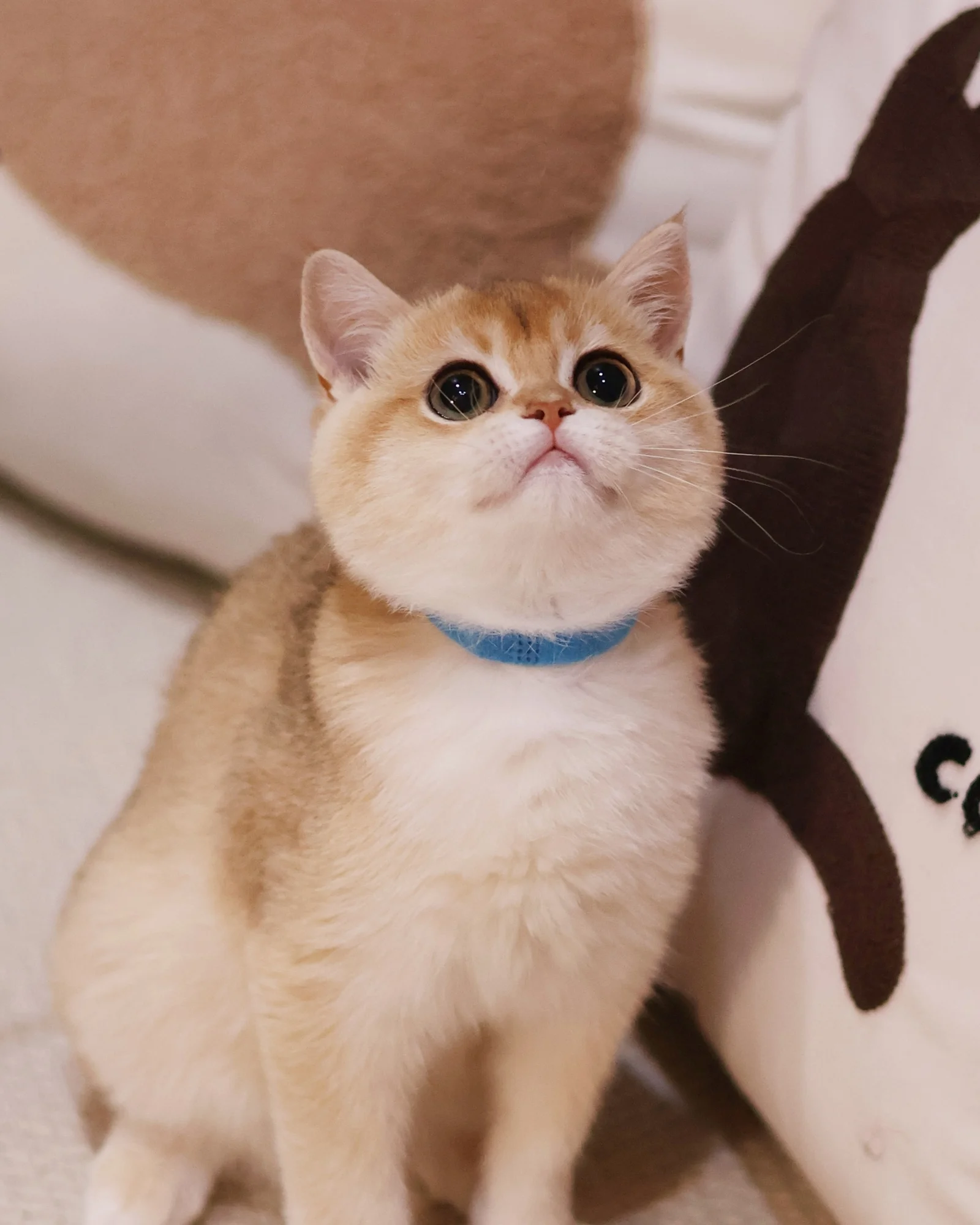
Female · Golden Shaded · British Shorthair
A bright golden-shaded British Shorthair with plush cheeks and wide, expressive eyes — playful yet calm, she has an affectionate nature that makes her easy to adore.
 View details
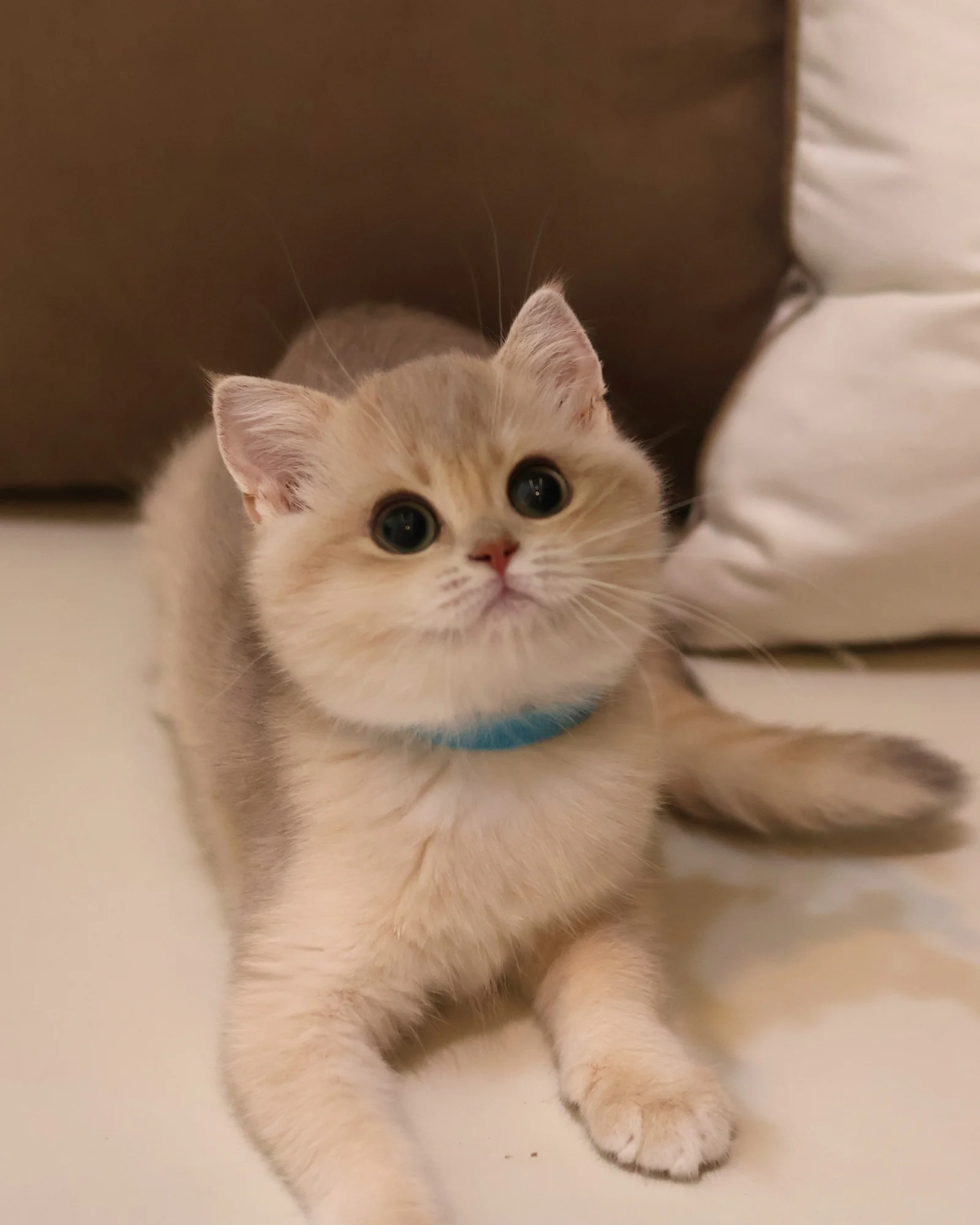
Male · Blue Golden · British Shorthair
Cosmo is the calmest among his brothers, he is a sweet and gentle little gentleman with an easygoing nature who loves peaceful company.
 View details
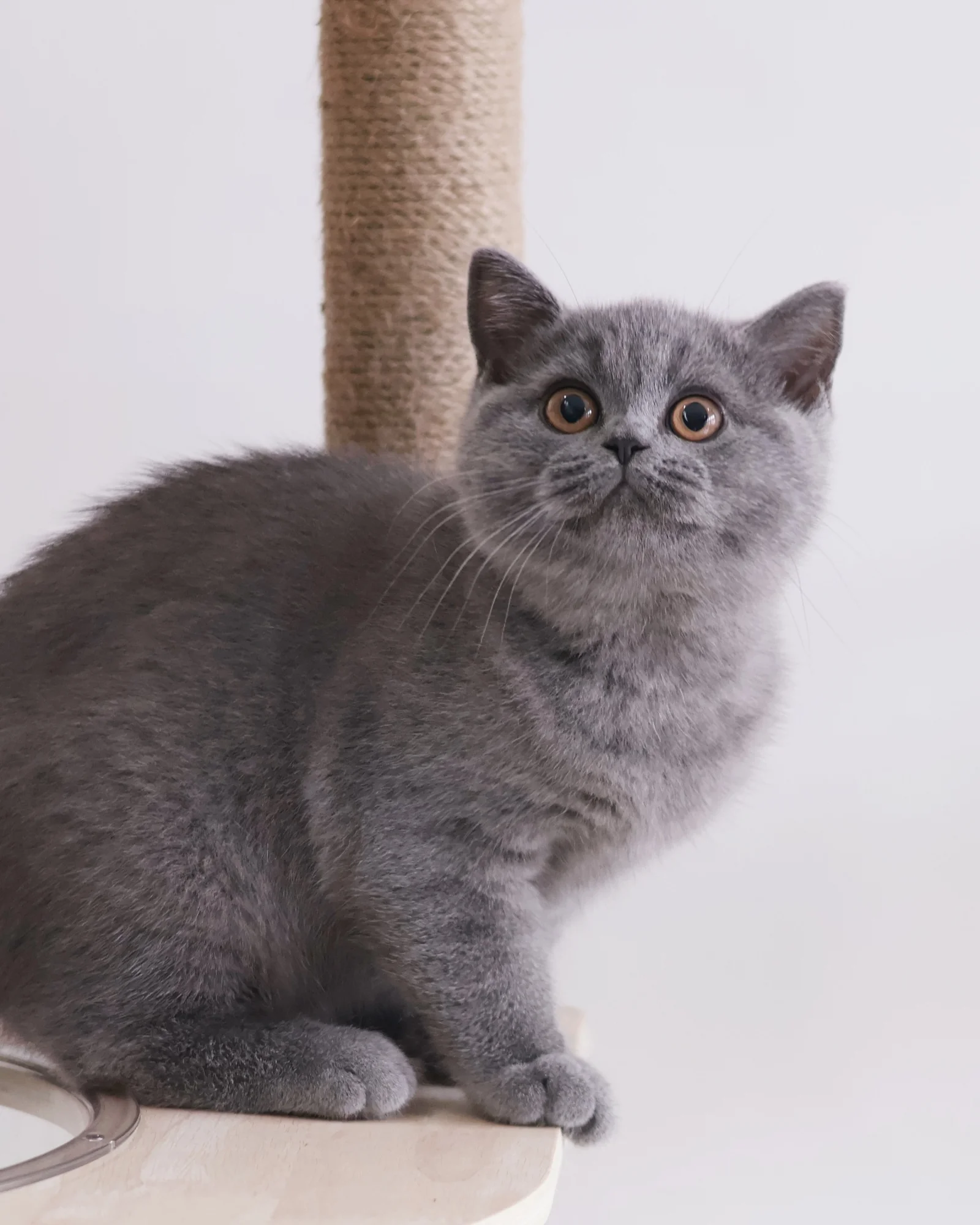
Female · Blue · British Shorthair
Victoria is a calm and chill girl who loves sitting quietly by your side and keeping you company. Every now and then, she’ll climb onto your lap for some extra attention and affection.
British Shorthair Colours at a Glance
- Most iconic: British Blue, a solid blue-grey coat with the classic plush British look.
- Popular luxury look: golden shaded and silver shaded, where darker tipping creates a luminous coat.
- Soft pastel colours: lilac, cream and blue golden shaded can look lighter and more delicate in photos.
- High-contrast patterns: bicolour, van, tabby and colourpoint cats have more visible markings.
- Important note: rare colour does not automatically mean better health, better temperament or better breed quality.
Colour vs Pattern: What Is the Difference?
When people say British Shorthair colour, they often mix two ideas together. The first is the base colour, such as blue, black, white, cream, lilac, chocolate, cinnamon, golden or silver. The second is the pattern, such as solid, shaded, tipped, tabby, bicolour, tortoiseshell, calico or colourpoint.
A solid blue British Shorthair looks very different from a blue tabby or blue point because the pattern changes how the colour appears. This is why two kittens can both be described as blue, but one looks like a smooth grey plush toy while another has stripes, white patches or darker points on the face and tail.
Solid British Shorthair Colours
Solid colours are the cleanest and easiest to understand. The coat should look even across the body, without strong striping or patching. The short, dense coat is part of what makes solids look especially plush.
- British Blue: the best-known British Shorthair colour. It ranges from light grey to deeper slate blue and is often paired with copper or orange eyes.
- Solid Black: a uniform jet-black coat. On a British Shorthair, the round head and dense coat make the black look richer than on an ordinary short-haired cat.
- Solid White: a pure white coat. Blue-eyed white cats can have a higher risk of congenital deafness, so buyers should ask careful health questions.
- Lilac: a soft grey-lilac shade with a pinkish cast. It is lighter and warmer than blue, and can look very different under indoor lighting.
- Cream: a pale, warm cream coat. It gives a softer look than red or ginger tones.
- Cinnamon: a warm reddish-brown colour that is less common and often more difficult to find.
Golden Shaded and Silver Shaded British Shorthairs
Shaded British Shorthairs are popular because the coat has depth. Instead of one flat solid colour, the hair has a lighter base with darker tipping. This creates a glowing or sparkling effect, especially in natural light.
- Golden Shaded: a warm honey, apricot or golden base with darker tipping along the back, head, flanks and tail. The colour can look deeper as the kitten matures.
- Blue Golden Shaded: a cooler, softer version of golden shaded, with blue-grey tipping that makes the coat look hazier.
- Lilac Golden Shaded: an even paler shaded look with a pinkish softness. It can be hard to distinguish from similar caramel or blue-golden tones without records or testing.
- Black Golden Shaded: a golden undercoat with black tipping, often giving strong contrast around the eyes, nose and back.
- Silver Shaded: a pale or white undercoat with grey-black tipping, creating a clear silver sheen. Lighter versions are sometimes described as tipped or chinchilla-style.
For families choosing between golden and silver, the practical difference is visual preference. Golden shaded cats look warmer and softer in a home setting, while silver shaded cats often look cooler, cleaner and more high-contrast in photos.
Bicolour, Van and White-Patterned British Shorthairs
Bicolour British Shorthairs combine a base colour with white. The white may appear on the chest, belly, legs, paws, face or body. Symmetry is often what makes these cats visually striking.
- Blue and White: blue-grey with white patches, often with a white chest, paws or split-face pattern.
- Black and White: strong contrast between black areas and white areas, giving a bold tuxedo-like look.
- Cream and White: a softer pale combination, less intense than red or ginger-and-white cats.
- Lilac and White: a gentle pastel look, usually lighter than blue and white.
- Golden and White: golden coat areas combined with white patches, often popular with families who want a bright, warm look.
- Van: colour mainly on the head and tail, with most of the body white.
Colourpoint British Shorthairs
Colourpoint British Shorthairs have darker colour on the cooler parts of the body, usually the face, ears, legs and tail. The body is lighter, creating the familiar mask effect. Kittens may look paler when young, and the points can become clearer as they grow.
- Blue Point: a pale body with blue-grey points.
- Seal Point: deep brown points with a warmer cream body.
- Lilac Point: soft grey-lilac points against a very pale body.
- Red Point: warm apricot or red-toned points.
- Lynx Point: a colourpoint pattern with visible tabby striping in the points.
Tabby, Tortoiseshell and Calico Patterns
Tabby British Shorthairs show stripes, swirls, spots or ticked markings over the base colour. The pattern may be classic, mackerel, spotted or ticked depending on the cat. A golden tabby can look warm and dramatic, while a blue tabby gives a cooler, more frosted impression.
- Golden Tabby: a golden base with visible striping or markings.
- Blue Tabby: a blue-grey base with darker grey or black striping.
- Red Tabby: a warm red or copper-toned base with darker markings.
- Cameo Tabby: a pale silver-white base with red or cream tipping and visible tabby pattern.
Tortoiseshell and calico patterns combine multiple colours. Tortoiseshell cats usually have blended patches of colours such as black and red, blue and cream, chocolate and cream, or lilac and cream. Calico adds white, making the patches easier to see.
- Black Calico: black, white and red or cream.
- Blue-Cream Calico: blue, cream and white, usually softer than black calico.
- Chocolate Calico: chocolate, white and red or cream.
- Tortoiseshell: mixed colour patches without as much white, often giving a marbled look.
Does Colour Affect Personality?
No reliable owner should promise temperament based only on colour. British Shorthairs are generally known for being calm, steady and quietly affectionate, but personality depends more on genetics, early socialisation, handling, health and the home environment than on whether the cat is blue, golden, silver or lilac.
When choosing a kitten, look beyond coat colour. Ask how the kitten behaves with people, whether it is confident in a home-like environment, how it responds to handling, and whether health records are clear. A beautiful colour is a bonus; temperament and health should still come first.
How to Choose a British Shorthair Colour in Singapore
- If you want the classic look: choose British Blue or blue and white.
- If you want a warmer, brighter look: consider golden shaded, golden tabby or golden and white.
- If you prefer a cooler luxury look: silver shaded or blue golden shaded may suit you better.
- If you like visible markings: look at bicolour, tabby, tortoiseshell or colourpoint patterns.
- If you want a rare colour: ask about parent background, health screening and records rather than choosing based on rarity alone.
Available colours depend on the current kittens and parent lines. If you are looking for a specific colour, it is worth checking early and being flexible. Some colours appear only occasionally, and rare colours may have longer waiting times.
British Shorthair Colour FAQ
Is British Blue the same as grey?
Yes. In British Shorthairs, blue usually means a grey-blue coat. It is the classic colour most people associate with the breed.
Are golden shaded British Shorthairs rare?
They can be less common than British Blue, depending on the breeder and parent lines. The exact shade also varies, from warm honey to brighter apricot-gold.
Do British Shorthair kittens change colour as they grow?
Some colours and patterns become clearer with age. Shaded coats, colourpoints and tabbies may look different as the kitten matures and the coat develops.
Which British Shorthair colour is best for families?
There is no single best colour for families. Choose based on temperament, health, confidence and fit with your home first, then choose the colour you love.
Are white British Shorthairs healthy?
Many are healthy, but blue-eyed white cats can carry a higher risk of congenital deafness. Ask the breeder about health checks and hearing-related concerns if you are considering a white kitten.
For available colours at NekoTown, visit our British Shorthair Singapore page or browse available kittens in Singapore. For breed-level background, you can also read TICA's British Shorthair breed profile.